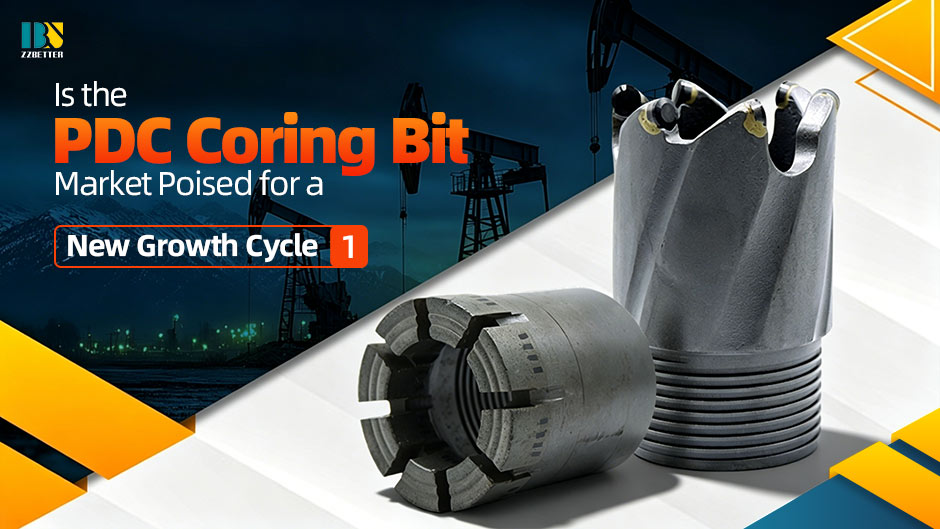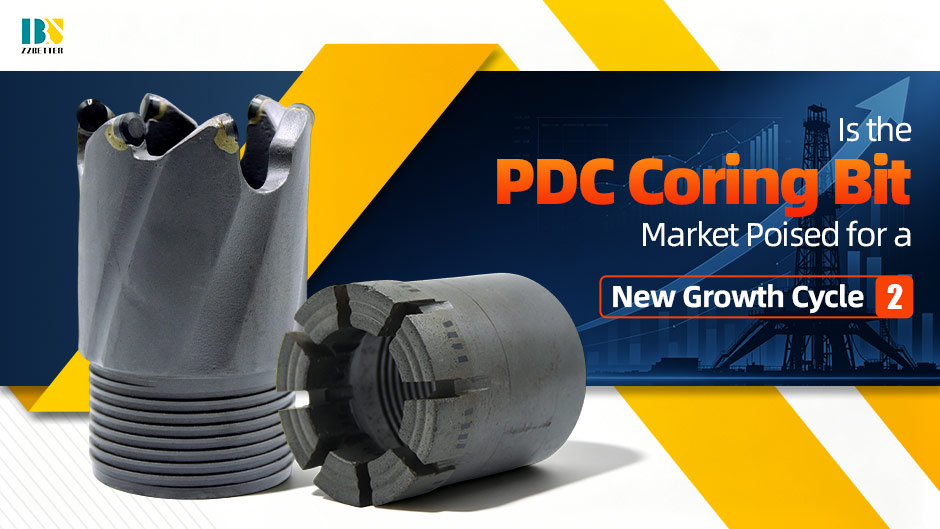
PDC coring bit market growth could come from geothermal development, mineral exploration, and oil and gas reservoir evaluation. However, wider adoption depends on formation suitability, core quality, and demonstrated operating economics. Growth in drilling activity alone does not establish how much demand will reach PDC coring bits.
A PDC coring bit cuts an annular path around a rock core that can be recovered for analysis. Its market should be assessed separately from full-hole PDC bits, which remove material across the borehole face. This distinction matters when interpreting forecasts and estimating demand for specific coring applications.
Where Could Additional Demand Come From?
For coring tool suppliers, the relevant opportunity is sampling work within geothermal exploration and reservoir characterization. Any increase in PDC coring bit demand would depend on whether projects require core samples and whether the proposed bit suits the expected rock and operating conditions. A geothermal energy forecast cannot be converted directly into a coring bit sales forecast.
1. Mineral Exploration and Geological Sampling
Mineral exploration creates demand for core samples that help geologists assess deposits and plan further work. PDC coring bits may be considered where their cutting design matches the formation and coring system. Greater drilling depth does not, by itself, establish that PDC is the preferred option. Alternative core bit technologies remain relevant. Epiroc's guidance identifies diamond-impregnated crowns as an option for hard to very hard ground. Buyers should therefore compare formation suitability and sample requirements before treating PDC as a replacement for an existing bit type.
For an initial comparison of available designs, review DrillBetter's core bit range and confirm the formation and coring system requirements for each option.
2. Oil and Gas Reservoir Evaluation
Oil and gas coring supports reservoir evaluation by providing physical rock samples. Potential demand for PDC coring bits depends on the intervals selected for coring, the formation, and the sampling program. The market share of full-hole PDC bits does not establish the market share or remaining growth potential of PDC coring bits.
For suppliers, this creates an opportunity to match a coring tool to a defined job rather than assume that broad growth in oil and gas drilling will translate into the same growth in coring equipment.
What Could Limit Wider Adoption?
The transition to PDC is not a universal replacement cycle. Operators may retain another core bit type because it better suits the rock, drilling system, or required sample quality. Purchase price, equipment compatibility, supply availability, and uncertainty about field performance can also influence adoption.
A useful comparison should examine cost per meter of acceptable core recovered, rather than purchase price alone. Buyers can include bit expenditure, rig time, trips associated with bit changes, and other relevant operating costs. Comparisons should use similar formations and operating conditions, with core recovery and sample quality recorded alongside drilling speed.
What Should Buyers and Suppliers Watch Next?
Future adoption should be evaluated through evidence specific to coring. When assessing a new cutter grade, bit profile, or hydraulic design, request the test conditions and relevant run records. Improvements reported for full-hole drilling should not automatically be presented as proven gains in coring performance.
Performance records can also support more informed purchasing decisions. Useful information includes lithology, bit condition, operating parameters, meters drilled, core recovery, and reasons for ending a run. If repair is proposed, ask the supplier to assess whether the particular bit is repairable and how its condition will be verified after repair.
These checks help distinguish a technically suitable product from a general claim about market growth. They also give suppliers a practical basis for discussing specifications, availability, and trial requirements with contractors and procurement teams.
Is a New Growth Cycle Likely?
The three application areas create plausible growth opportunities, but the scale and timing of a new growth cycle remain uncertain. Adoption will depend on project activity and evidence that a particular PDC coring bit meets the job's technical and economic requirements. A market forecast should be identified by source, publication date, product scope, and forecast period before it is used in procurement or investment planning.
For buyers, the next step is to define the job before selecting the tool. For suppliers, it is to provide clear specifications and relevant evidence rather than promise faster drilling, fewer bit changes, or lower costs in every formation.
DrillBetter is a manufacturer of PDC tools. To discuss a coring requirement, send an inquiry with the formation, bit and core diameters, coring system, connection, planned quantity, and available operating conditions.