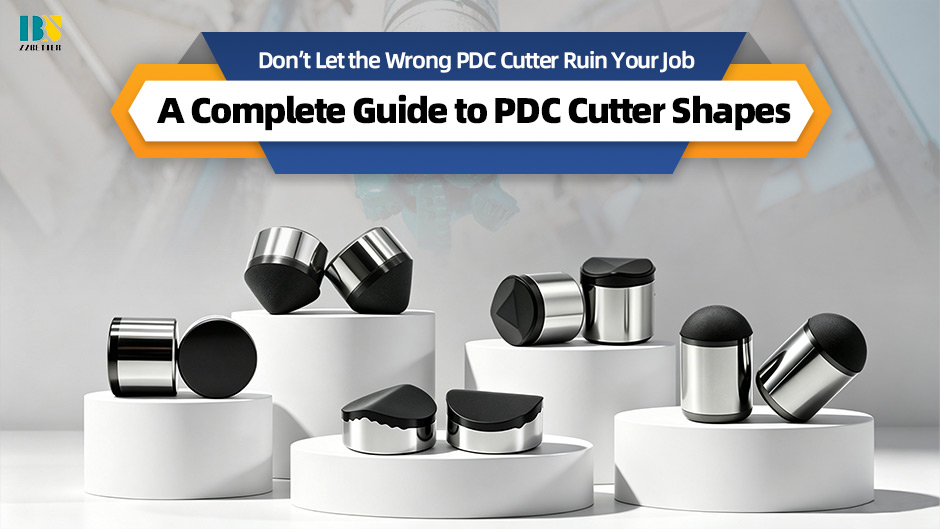
 PDC Cutter Shapes: How to Compare Designs for Drilling
PDC cutter shape influences how a cutting element contacts rock and transfers load into the tool. Flat, dome, conical, Benz-shaped, and ridged designs offer different geometries, but their suitability also depends on the formation, cutter grade, placement, and overall bit design.
Five PDC Cutter Shapes to Compare
1. Flat PDC Cutters
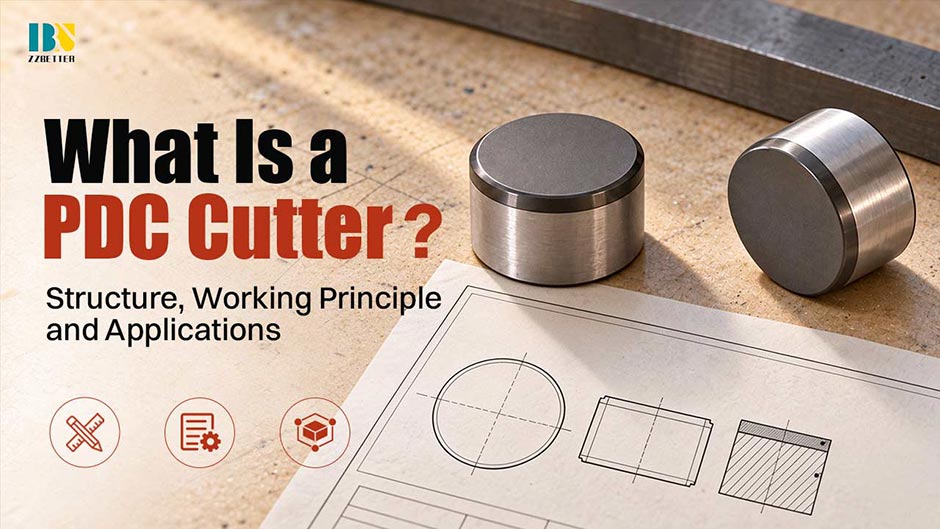
Flat PDC cutters have a planar diamond table and are commonly used on fixed-cutter bits. Their cutting edge generally engages rock through shearing.
Diameter, chamfer, exposure, cutter grade, and bit layout should be assessed together for the intended formation. Cutter diameter alone does not determine impact resistance or drilling speed.
See DrillBetter's flat PDC cutters for available dimensions and product information.
2. Dome PDC Cutters
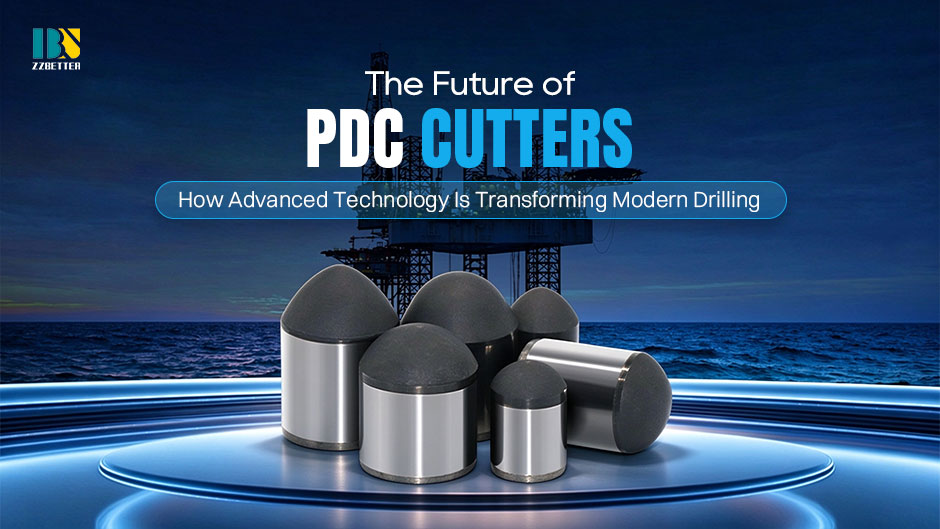
Dome PDC cutters have a rounded working profile. Depending on the tool and placement, they may be considered where repeated contact or impact loading is relevant.
Confirm the exact profile, dimensions, and intended mounting position before comparing products. Suppliers may use names such as dome, spherical, and ballistic differently.
3. Conical PDC Cutters
Conical PDC cutters have a tapered profile that concentrates contact over a smaller area. Their interaction with rock depends on the tip geometry, loading direction, and tool design.
Before selecting a conical cutter, compare application-specific wear and impact information. A conical shape alone does not guarantee better performance in every hard formation.
4. Benz-Shaped PDC Cutters
Benz-shaped cutters are one type of shaped PDC cutting element. Their working profile changes how the cutter contacts the formation and distributes load.
Confirm the geometry and test conditions for the proposed product, especially when considering fractured or changing formations. Results from one study or cutter design should not be extended to every product with a similar name.
5. Ridged PDC Cutters
Ridged PDC cutters have a raised profile that changes contact with the formation. Some designs are intended to combine localized penetration with shearing as the tool moves.
Actual performance depends on ridge geometry, cutter placement, material grade, and operating conditions. Thickness or penetration figures for one design should not be assumed for all ridged cutters.
How Should You Compare Cutter Shapes?
Selection factor | What to review |
Formation | Rock strength, abrasiveness, fractures, and changes between layers |
Expected damage | Wear flats, chipping, impact damage, or thermal concerns |
Tool design | Bit type, cutter position, exposure, and mounting requirements |
Cutter specification | Shape, diameter, total height, diamond table thickness, chamfer, and grade |
Performance evidence | Test method, formation or test material, comparator, and operating conditions |
Cutter shape is one part of the decision. A design that performs well in a specific test or formation should be evaluated against the requirements of the intended tool and drilling operation.
Discuss Your PDC Cutter Requirements
No single cutter shape is best for every formation. Compare the formation, expected wear and impact, tool design, cutter dimensions, and available test information before making a selection.
For product information or a quotation, contact DrillBetter with your drawing, quantity, application, and operating requirements.