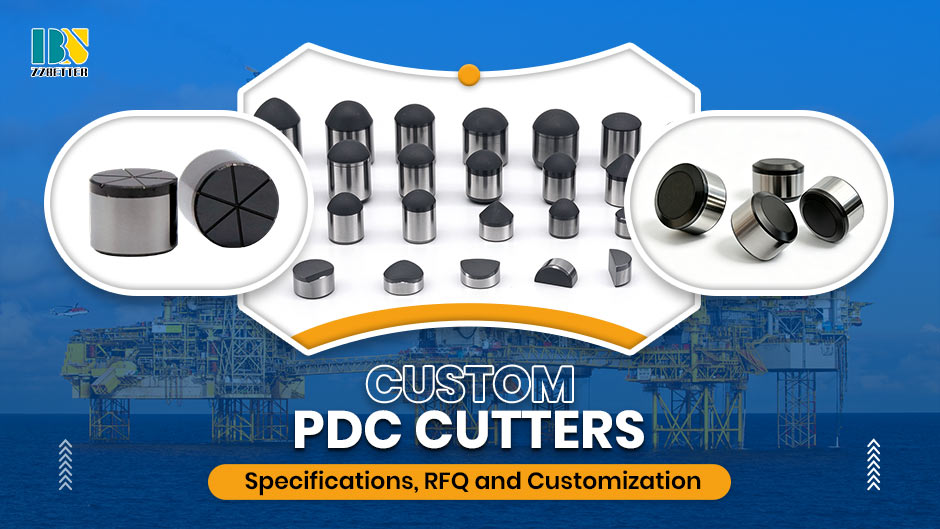
 Custom PDC Cutters: Specifications and RFQ Guide
Custom PDC cutters are cutting elements specified for requirements that may not be met by standard catalog products. A clear RFQ identifies the required dimensions, geometry, application, quantity, and inspection requirements so the supplier can review feasibility and prepare a quotation.
For drill bit manufacturers, tool engineers, and purchasing teams, agreeing on the technical details early helps establish a consistent basis for design review and procurement.
What Are Custom PDC Cutters?
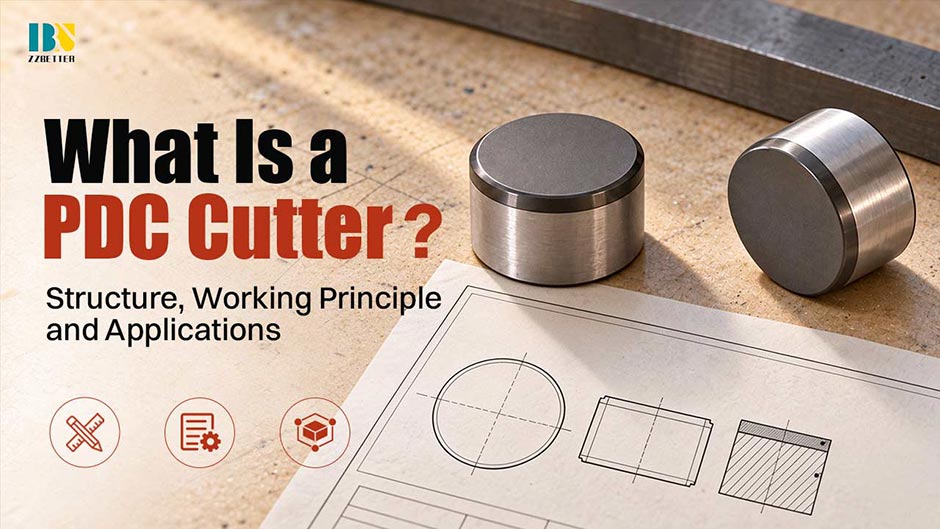
A conventional PDC cutter typically combines a polycrystalline diamond table with a cemented tungsten carbide substrate. The diamond table is commonly formed and joined to the substrate during high-pressure, high-temperature sintering.
The diamond table provides the cutting surface, while the substrate supports the cutting element and its integration into the tool.
Custom PDC cutters are designed or manufactured to meet requirements that may not be fully satisfied by standard products. Depending on supplier capabilities, customization may involve:
• Cutter diameter and overall height.
• Diamond table thickness.
• Chamfer dimensions and working profile.
• Substrate dimensions or configuration.
• Application-specific material and performance requirements.
Customization does not always require a completely new design. An existing configuration may be suitable, while other projects may need a drawing review or sample evaluation.
What Specifications Should You Provide?
Dimensions and Tolerances
Start with the dimensions needed to define the cutter and its fit within the tool:
• Cutter diameter.
• Overall cutter height.
• Diamond table thickness.
• Chamfer dimensions and angle, where applicable.
• Substrate dimensions and relevant interface features.
Provide the measurement units, drawing number, and revision together with the required dimensions and tolerances. Identify which features are critical to fit and assembly.
If you are replacing an existing cutter, an original drawing or sample can help the supplier assess the requirement. If you provide both a drawing and a sample, identify which one governs acceptance if they differ.
Photographs and preliminary measurements can start a discussion, but final production should be based on agreed specifications.
Cutter Geometry and Material Requirements
The cutter profile should be evaluated together with the tool design and intended operating conditions. Examples include:
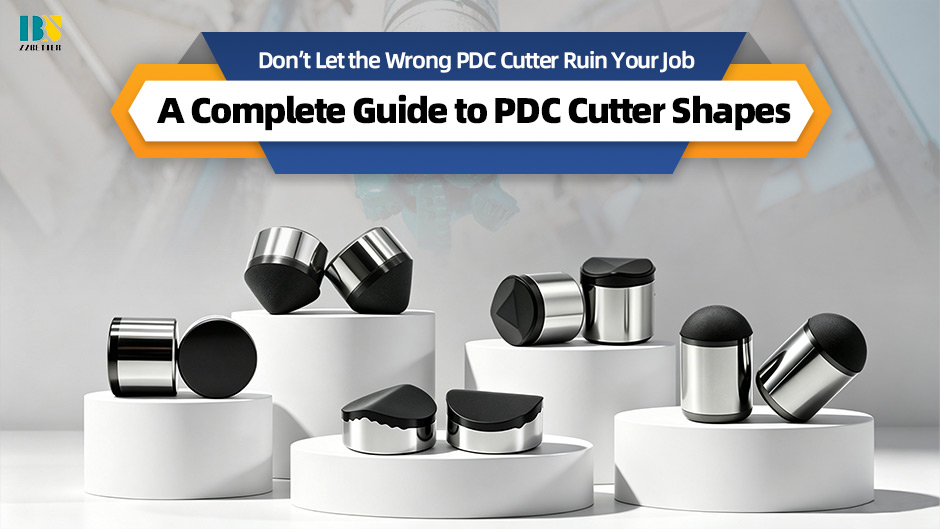
• Flat PDC cutters: Used in a range of drilling tools where a planar cutting face is required.
• Ridged PDC cutters: Have a shaped working surface for particular cutting and contact conditions.
• Dome PDC cutters: Have a rounded profile and may be considered for selected tool designs and loading conditions.
These profiles are not automatically interchangeable. Placement, mounting, formation characteristics, and the complete cutting structure all influence suitability.
Explore DrillBetter's PDC cutter range to review available profiles before discussing a custom design.
Material and performance requirements should also be communicated clearly. If a particular grade has already been approved, provide its full identification and any applicable specification. If the grade is undecided, describe the application and the performance characteristics needed for the supplier's review.
Application and Operating Conditions
Application information helps the supplier understand how the cutter will be used. Include, where available:
• The drill bit or tool type.
• The cutter's installation position.
• Formation and rock characteristics.
• Expected operating conditions.
• Relevant wear or impact requirements.
• Current cutter damage or performance concerns.
For example, an application with abrasive wear may call for different evaluation priorities from one involving frequent impact loading. Final selection should follow an engineering review and, where appropriate, application testing.
How to Prepare an RFQ for Custom PDC Cutters
Use the following checklist to organize your inquiry:
RFQ item | Information to provide |
Technical drawing | Drawing number, revision, dimensions, units, tolerances, and critical features |
Product requirements | Cutter profile, diamond table thickness, chamfer, and substrate configuration |
Application | Tool type, formation information, operating conditions, and intended use |
Quantity | Sample quantity, initial order quantity, and estimated repeat demand if available |
Quality requirements | Inspection criteria, required reports, and agreed documentation |
Commercial requirements | Requested delivery date, destination, and packaging requirements |
If a complete drawing is unavailable, send the information you have and identify the items that still need discussion. A sample or reference dimensions can help start the technical review.
Before production, agree on the final drawing revision, sample approval process, and acceptance criteria. If a quotation includes assumptions or exceptions, review them before confirming the order.
How to Evaluate a Custom PDC Cutter Supplier
A suitable supplier should be able to discuss both the technical and commercial requirements of the project. When comparing quotations, check the following:
• Manufacturing feasibility: Can the supplier assess the requested dimensions, geometry, and substrate configuration?
• Inspection scope: Which dimensions and features will be inspected, and what documentation can be provided?
• Sample approval: How will samples be evaluated, and who approves the final specifications?
• Production arrangements: What quantity, lead time, packaging, and delivery terms apply to the quotation?
• Technical communication: Has the supplier identified missing details, assumptions, or potential manufacturing limitations?
Ask suppliers to clarify any differences in the quoted specifications. Comparing prices is more meaningful when the drawings, inspection scope, quantities, and delivery requirements are aligned.
Request a Quote for Custom PDC Cutters
To discuss custom PDC cutters, contact DrillBetter with your drawing or sample details, required quantity, application, and inspection requirements.
The team can review the available information and identify any additional details needed to assess the project and prepare a quotation.