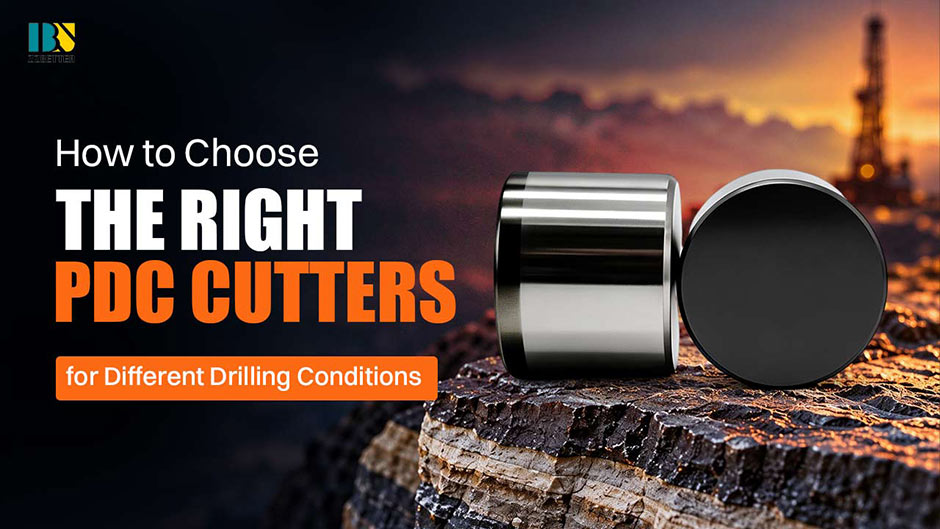
 Selecting PDC cutters requires matching the formation, expected wear and impact loads, cutter dimensions, and bit design. The hardest, largest, or most expensive cutter is not automatically the best choice. Review operating conditions and previous failure patterns before comparing grades or geometries.
For drill bit manufacturers, drilling engineers, and purchasing teams, understanding these factors helps ensure that PDC cutters match the requirements of the application.
1. Understand the Drilling Formation
The first step in PDC cutter selection is to evaluate the rock formation. Hardness alone is not enough; abrasiveness, rock strength, formation variability, and the presence of fractured zones also affect cutter performance.
- Soft to Medium Formations
In relatively soft and uniform formations, cutting efficiency and rate of penetration (ROP) are often important considerations. Cutter geometry, exposure, and the overall bit design influence how effectively the cutters remove rock.
- Hard and Abrasive Formations
Hardness and abrasiveness should be assessed separately, because an abrasive formation can accelerate diamond table wear even when hardness alone does not fully describe the drilling challenge.
In these conditions, wear resistance, cutter stability, and the ability to maintain an effective cutting edge become important selection factors.
- Fractured or Interbedded Formations
When drilling through alternating rock layers or fractured formations, cutters may experience changing loads and repeated impacts. Impact toughness and resistance to edge chipping should therefore be considered alongside wear resistance.
Before selecting a cutter, review available geological information, previous bit performance, and the dominant wear or failure patterns observed in the field.
2. Balance Wear Resistance and Impact Resistance
Two important considerations in PDC cutter selection are wear resistance and impact resistance. These properties address different failure mechanisms and should be evaluated according to the drilling environment.
- PDC Cutter Wear Resistance
Wear resistance describes a cutter's ability to withstand gradual material loss during rock cutting. It becomes particularly important in abrasive formations and in applications where the cutting edge must be maintained over extended drilling intervals.
The performance of the diamond table, material quality, cutter geometry, and operating conditions all contribute to wear behavior.
- PDC Cutter Impact Resistance
Impact resistance relates to a cutter's ability to withstand sudden mechanical loads without chipping, cracking, or other damage. It matters when drilling conditions involve vibration, fractured rock, or unstable cutting loads.
A cutter optimized primarily for wear resistance may not automatically provide the impact performance required in every application. Selection should consider the actual balance of abrasive wear and mechanical loading.
3. Select the Appropriate PDC Cutter Shape and Size
PDC cutters are available in different geometries and dimensions. The appropriate configuration depends on the drill bit design and the intended cutting action.
- Flat PDC Cutters
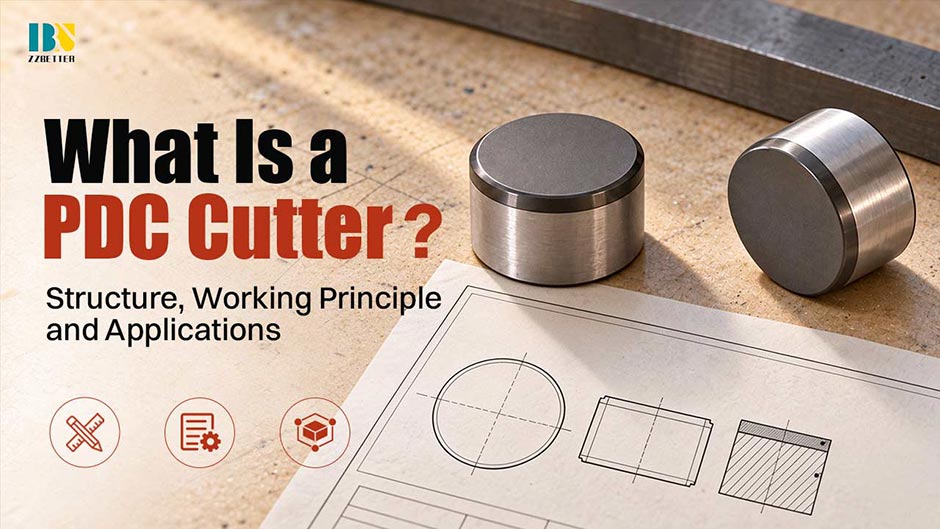
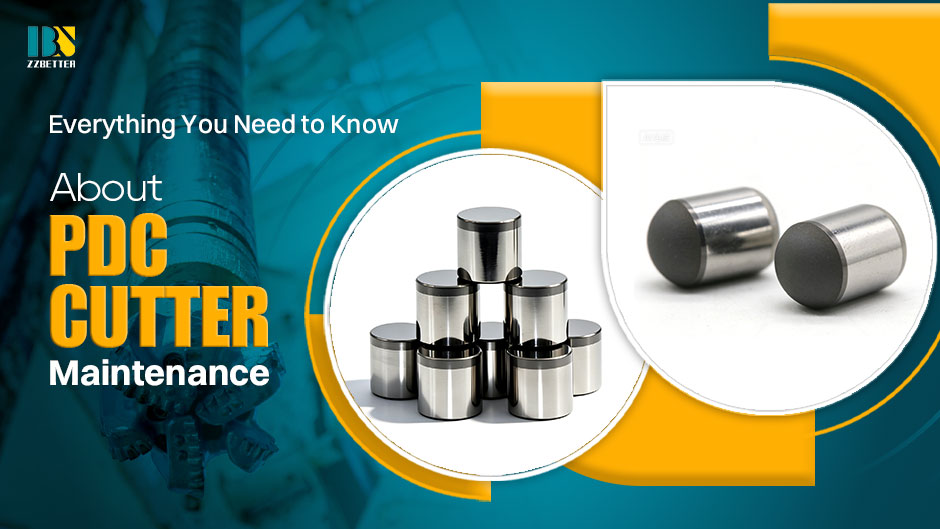
Flat PDC cutters are widely used in PDC drill bits. Their diamond cutting surface supports the shearing action used to remove rock.
When selecting a flat cutter, consider its diameter, total height, diamond table thickness, mounting requirements, and compatibility with the bit design.
Explore our PDC flat cutters for product information and available options.
- Shaped PDC Cutters
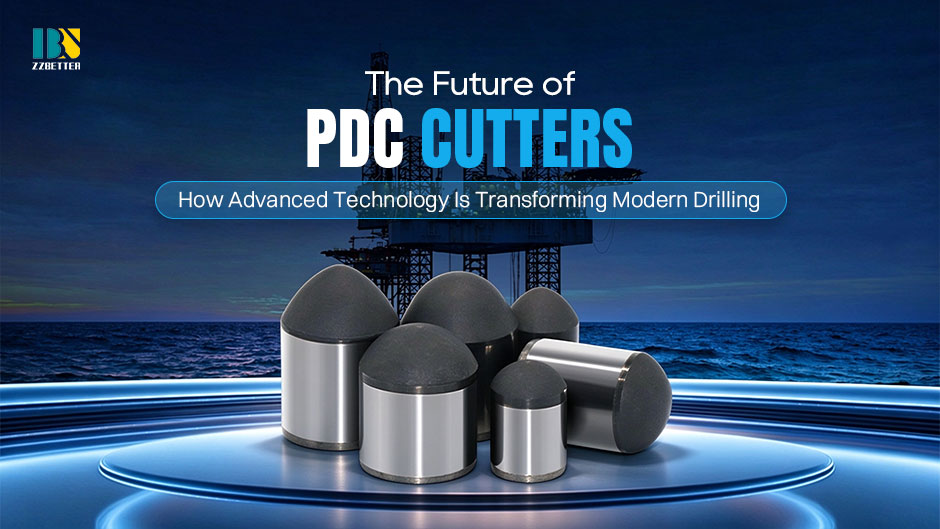
Other cutter geometries, including ridged and conical designs, may be considered when the application requires a different contact pattern or cutting behavior.
However, a particular shape should not be selected based on geometry alone. The bit configuration, formation characteristics, load distribution, and intended drilling function must also be considered.
- Choosing the Right Cutter Size
Cutter diameter and geometry influence how a cutting element engages the formation and fits within the drill bit. Their effect depends on cutter exposure, placement, and the overall cutting structure.
Larger cutters are not automatically better, just as smaller cutters do not always provide higher penetration rates. The appropriate dimensions depend on the bit design, drilling parameters, formation, and performance requirements.
Always confirm the required dimensions against the technical drawing and the manufacturer's specifications before ordering replacement cutters.
4. Consider Thermal Stability and Material Structure
A PDC cutter typically combines a polycrystalline diamond table with a tungsten carbide substrate. The diamond table and substrate are commonly joined during high-pressure, high-temperature sintering.
The diamond table provides the cutting surface, while the carbide substrate supports the composite structure and its integration into the drill bit.
During drilling, friction and mechanical loading can generate heat. Excessive thermal exposure may contribute to diamond degradation, wear, or damage to the interface between the diamond table and substrate.
When evaluating PDC cutter options, consider thermal stability together with drilling speed, cooling conditions, cutter exposure, and the overall bit design. Material properties should be assessed in the context of actual operating conditions rather than treated as independent guarantees of performance.
5. Identify Common PDC Cutter Failure Modes
Understanding previous cutter failures can help engineers refine their selection and operating parameters.
Common observations include:
- Gradual wear: May indicate abrasive formation conditions, extended service, or a mismatch between cutter characteristics and the application.
- Edge chipping: May be associated with impact loading, vibration, cutter exposure, or local stress concentration.
- Cracking: May result from mechanical or thermal stresses, manufacturing defects, or a combination of factors.
- Diamond table separation: May indicate an interface or bonding problem, although the actual cause requires further investigation.
- Thermal damage: May be associated with excessive heat generation, inadequate cooling, or unsuitable operating conditions.
These symptoms are not definitive diagnoses. A proper failure assessment should consider photographs, recovered cutters, drilling records, bit design, operating parameters, and inspection results.
6. Evaluate the Total Cost, Not Just the Cutter Price
For purchasing teams, the lowest unit price does not necessarily represent the lowest operating cost. A cutter that does not match the application may require more frequent replacement or contribute to additional downtime.
A practical evaluation should consider:
- Cutter purchase price and replacement frequency.
- Drilling distance achieved under comparable conditions.
- Bit maintenance and replacement costs.
- Downtime associated with cutter or bit failure.
- Consistency between batches and production requirements.
Where possible, compare alternatives using field data from similar formations, bit designs, and operating parameters. Avoid relying on performance figures from unrelated applications.
7. What Information Should You Provide When Ordering PDC Cutters?
To help a manufacturer assess your requirements, prepare the following information:
Required cutter diameter, total height, diamond table thickness, shape, chamfer, and dimensional tolerances.
- Drill bit type and intended application.
- Formation characteristics and operating conditions.
- Current cutter performance and any observed failure problems.
- Technical drawings, sample requirements, and expected order quantities.
If the application involves a new design or an unfamiliar formation, sample testing and controlled field evaluation can help verify suitability before larger purchases.
Frequently Asked Questions
A: How do I choose PDC cutters for hard rock drilling?
Q: Evaluate formation abrasiveness, impact loading, bit design, and previous cutter performance. Hardness alone is not sufficient to determine the appropriate cutter specification.
A: Does higher wear resistance always mean longer cutter life?
Q: No. Cutter life also depends on formation conditions, impact loading, thermal exposure, cutter placement, and operating parameters.
A: Are larger PDC cutters always more efficient?
Q: No. Cutter size must match the bit design and drilling conditions. A larger diameter does not automatically produce a higher ROP or lower drilling cost.
A: What causes PDC cutter chipping?
Q: Possible factors include impact loading, vibration, unstable drilling conditions, cutter exposure, and local stress concentration. Inspection and operating records are needed to investigate the actual cause.
A: What information is needed for a PDC cutter quotation?
Q: Provide the required dimensions, technical drawings if available, application details, expected quantities, and any specific performance or inspection requirements.
Choose PDC Cutters for Your Drilling Application
Selecting the right PDC cutters requires more than comparing product dimensions or purchase prices. Formation characteristics, wear resistance, impact toughness, thermal conditions, and drill bit design must be considered together.
DrillBetter supplies PDC flat cutters for drilling applications, with product options covering a range of sizes and application requirements.
For a quotation or technical discussion, contact DrillBetter with your drawings, cutter specifications, quantities, and application details.