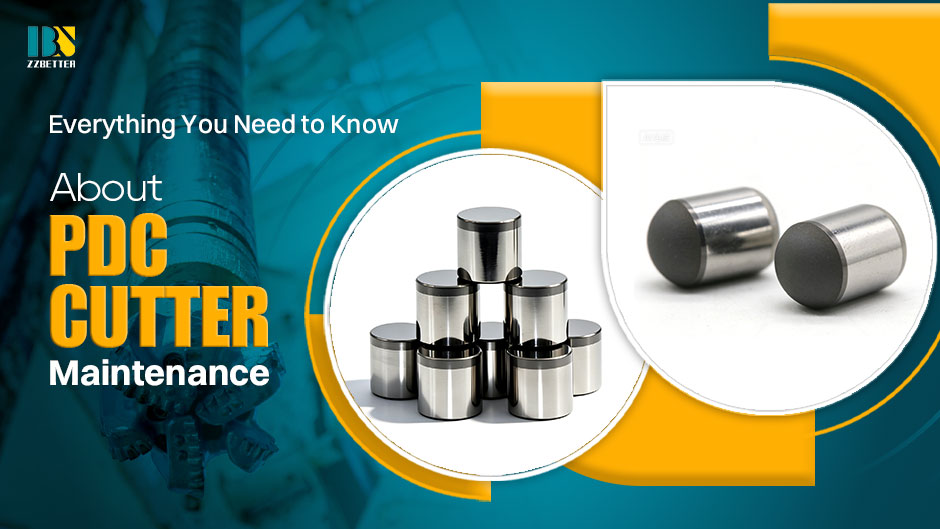
 PDC cutter maintenance focuses on cleaning, inspection, careful handling, and decisions about reuse or replacement. For cutters installed in a drill bit, inspect the complete cutting structure and mounting condition after a run. Cleaning removes deposits and supports inspection; it does not restore lost diamond or repair cracks.
This guide covers installed cutters on fixed-cutter drill bits and the storage of unused replacement cutters. Use the bit manufacturer's procedures for cleaning and reuse decisions, and the cutter supplier's requirements for handling and installation.
What Is a PDC Cutter?
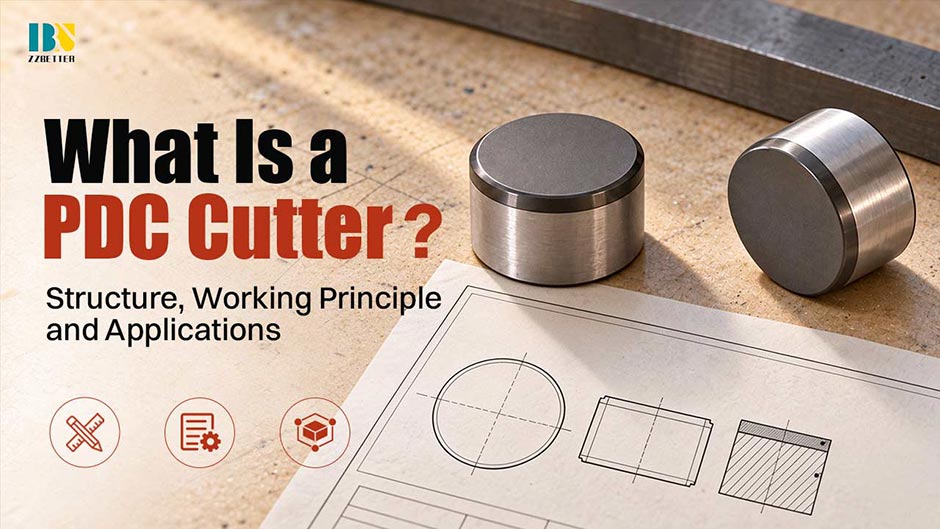
A polycrystalline diamond compact cutter combines a polycrystalline diamond table with a cemented tungsten carbide substrate. The diamond particles are sintered under high pressure and high temperature, with the diamond table typically bonded to the substrate during the same process. The diamond provides the cutting surface, while the substrate supports mounting in the tool. US Synthetic
PDC cutters are used in oil and gas, geothermal, mining, and other drilling tools. Names such as PDC inserts or PDC teeth may also appear, but cutter geometry and mounting requirements vary by application.
For an overview of available geometries, explore DrillBetter's PDC cutter range; replacement selection still requires confirmation of the original tool specifications.
Why Does Maintenance Matter?
Inspection can identify visible damage before a bit returns to service. Cleaning makes cutter edges, exposed substrates, and mounting areas easier to examine. Handling and storage help prevent avoidable damage between runs or before assembly.
These practices support informed reuse decisions, but they do not guarantee a particular increase in service life or drilling speed. Formation, bit design, cutter grade, operating conditions, and the severity of existing damage all matter.
Common Types of PDC Cutter Damage
- Abrasive Wear
Abrasive wear can produce a wear flat or a rounded cutting edge. Record its location and extent. Reduced rate of penetration or changing torque may accompany wear, but operating trends alone do not establish the damage mechanism.
- Impact Chipping and Fracture
Missing edge fragments, broken diamond, and visible cracks warrant assessment. Review the damage alongside formation changes and available vibration records. The significance of a chip depends on its size, location, and the manufacturer's acceptance criteria.
- Thermal Damage
Excessive heat can contribute to cutter cracking and chipping. Inspect suspicious surfaces, but do not diagnose thermal damage from discoloration alone. Staining or deposits can affect appearance, and the cause of cracking may require specialist examination and run-history review. slb.com
- Delamination
Delamination is separation at or near the diamond-table and substrate interface. Suspected separation or substantial diamond-table loss should trigger specialist assessment before reuse. Cleaning cannot restore this bond.
- Substrate and Mounting Damage
Inspect exposed carbide for wear, cracking, or erosion, and check the surrounding pocket and braze area where accessible. Cutter-substrate damage and bit-body erosion are different findings and should be recorded separately.
How to Inspect PDC Cutters After a Run
1. Clean for visibility. Once the tool is safe to handle, remove mud and cuttings using the manufacturer's approved cleaning method. Confirm cleaner compatibility and permitted equipment settings; avoid improvising chemical treatments or abrasive cleaning.
2. Examine accessible surfaces. Under good lighting and suitable magnification, inspect cutting edges, diamond tables, exposed substrates, and mounting areas. Visual inspection cannot rule out every internal defect.
3. Record wear consistently. Photograph damage with a scale, identify cutter positions, and measure accessible features using the specified inspection method. Assess installed bits using the manufacturer's applicable dull-grading procedure.
4. Check retention. Look for displaced or missing cutters and visible damage around joints or pockets. Refer suspected looseness for repair assessment rather than attempting to prove retention with improvised impact or pry tests.
5. Review the run history. Record formation, footage, weight on bit, rotational speed, circulation conditions, relevant vibration events, and the reason for pulling the bit. Wear alone cannot prove that one operating parameter was incorrect.
Handling, Operation, and Storage
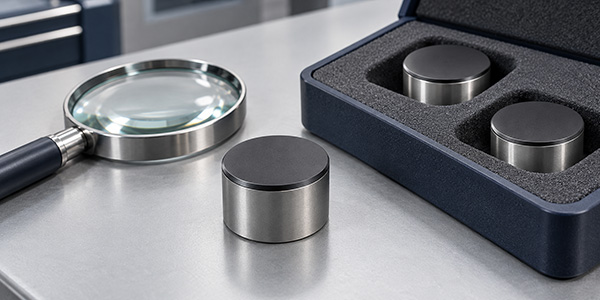
Protect cutting edges from contact with other tools during handling and transport. Store unused cutters in individual protective compartments, retain model and batch identification, and follow the supplier's requirements for moisture protection and packaging.
For assembled bits, protect the cutting structure and connections using suitable supports and covers. Keep used items awaiting assessment separate from parts cleared for service.
During drilling, follow the approved operating envelope and circulation requirements for the bit and application. Review abnormal operating trends with the drilling team; this guide does not prescribe universal WOB, RPM, or flow settings.
When Should Cutters Be Replaced?
Deep cracks, substantial diamond loss, suspected delamination, substrate fracture, or compromised retention require assessment before return to service. The bit manufacturer or qualified repair provider should decide whether the cutter must be replaced and whether the surrounding bit structure is repairable.
Cutter removal and rebrazing are controlled repair operations. Routine maintenance should not include grinding or heating a damaged cutter to restore its cutting edge. Any specialist reconditioning requires an approved process and acceptance inspection.
Selecting Replacement PDC Cutters
Match replacement cutters to the approved diameter, height, diamond-table geometry, chamfer or edge design, substrate configuration, grade, and mounting requirements. A "premium" label or HPHT manufacturing alone does not demonstrate suitability for a particular bit.
Ask for application-relevant abrasion, impact, and thermal-performance information, including test conditions and traceability. Use inspection findings to inform selection rather than assuming one grade is best for every formation.
For replacement cutter selection, contact DrillBetter with the original drawing or model, dimensions, quantity, application, and clear photographs of the wear or damage. Confirm repair requirements with the bit manufacturer or repair provider before installation.