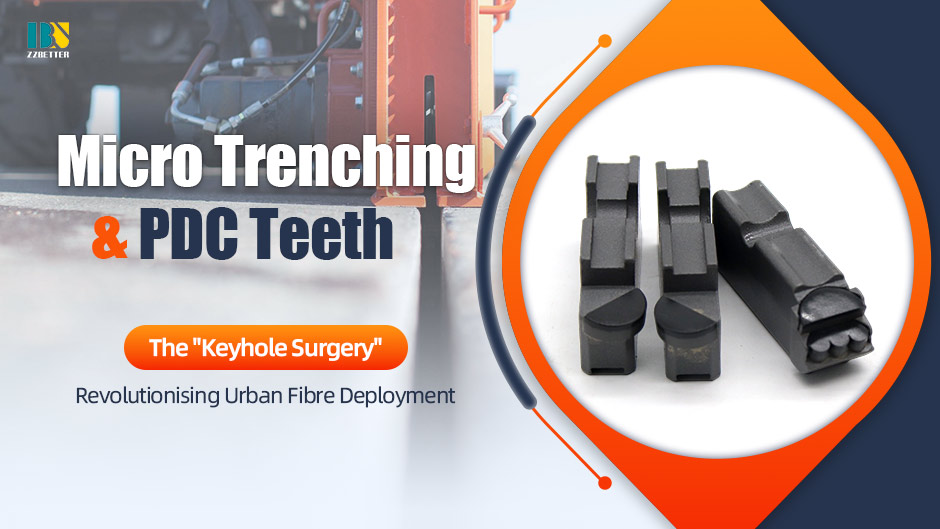
PDC Teeth for Microtrenching: Applications and Selection
PDC teeth for microtrenching are cutting elements used on some trenching wheels and blade assemblies. They engage pavement materials as the machine cuts a narrow slot for fibre optic ducts or other small utilities.
The right tooth depends on the pavement structure, cutting wheel design, mounting requirements, and expected wear or impact conditions. For equipment manufacturers and contractors, these factors should be considered together when selecting or replacing cutting elements.
What Is Microtrenching?
Microtrenching is a method of cutting a narrow slot in a road, pavement, or other suitable surface for the installation of ducts or cables. Depending on the project, the work may involve cutting, removing spoil, placing microducts, and reinstating the surface.
Trench width and depth depend on the duct layout, pavement structure, equipment capability, project specification, and local requirements. Microtrenching is one option for suitable fibre installation projects; it is not appropriate for every route or ground condition.
What Are PDC Teeth for Microtrenching?
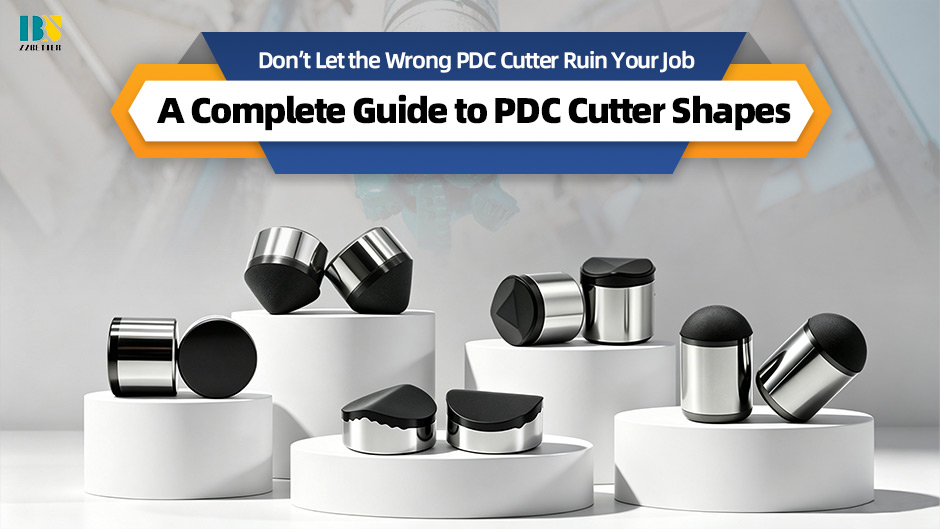
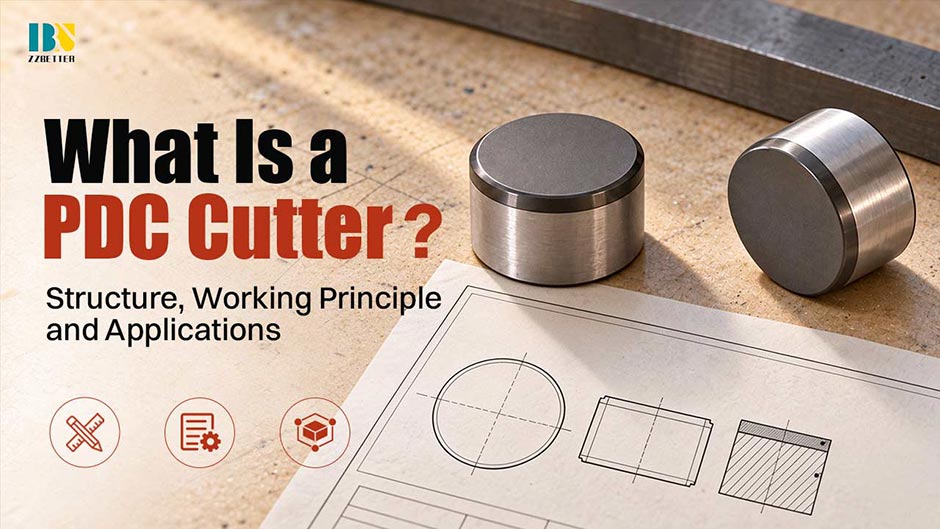
A PDC cutting element typically combines a polycrystalline diamond table with a cemented tungsten carbide substrate. The diamond table provides a wear-resistant working surface, while the substrate supports the cutting element and its integration into the tooth or blade assembly.
Some microtrenching wheels use PDC cutting teeth, while other tooling configurations may be selected for different pavement materials and operating conditions. The complete tooth design, including its body and mounting arrangement, must be compatible with the wheel.
Explore DrillBetter's customized PDC tools, including products for microtrenching applications.
What Affects PDC Tooth Performance?
- Pavement and Aggregate
Asphalt, concrete, aggregate, and underlying layers can place different demands on a cutting tooth. An asphalt surface may also cover a harder or more variable layer beneath it.
Review the expected pavement structure before selecting tooling. Aggregate, concrete layers, and unexpected buried objects can increase impact loads or damage cutting elements.
- Tooth and Wheel Design
The PDC material is only one part of the cutting system. Tooth geometry, mounting position, exposure, spacing, and wheel design affect how each cutting element contacts the pavement.
When comparing a replacement tooth with the existing part, confirm the working profile, dimensions, attachment method, and required position on the wheel. A tooth with a similar appearance may not be interchangeable.
- Operating Conditions
Cutting depth, machine settings, wheel condition, and spoil removal all influence the load on the cutting structure. Follow the equipment manufacturer's operating and maintenance instructions for the machine and tooling.
Avoid assuming that a cutter will deliver the same service life in every pavement. Changes in aggregate, surface condition, or operating practice can make results from two projects difficult to compare.
PDC Teeth and Total Tooling Cost
Purchase price is only one part of the evaluation. A useful comparison also considers:
- The number of teeth required for the wheel.
- The cutting distance achieved before replacement.
- Tooth replacement and maintenance time.
- Damage to the tooth body or mounting area.
- Downtime and the cost of replacement parts.
Compare alternatives under similar pavement and operating conditions wherever possible. A longer service life or lower cost per metre should be confirmed from relevant project records rather than assumed from the material alone.
What to Provide When Requesting Microtrenching Teeth
To help a supplier assess compatibility, prepare the following information:
1. Drawing or sample: Include the part number, drawing revision, or clear photographs where available.
2. Dimensions: Provide the overall tooth dimensions and any critical tolerances.
3. Mounting details: Identify how the tooth attaches to the wheel or blade assembly.
4. Application: Describe the pavement material, known underlying layers, and intended cutting work.
5. Equipment and quantity: Provide the machine or wheel details and the required order quantity.
6. Current performance: Describe observed wear, chipping, breakage, or other problems with the existing tooth.
If some specifications are unavailable, flag the missing information in the inquiry so that the supplier can review it with you.
Request PDC Microtrenching Blade Tips
DrillBetter offers standard and non-standard PDC blade tips for microtrenching applications. Confirm the design and mounting requirements before selecting a replacement.
For product information or a quotation, contact DrillBetter with your drawing, required quantity, machine or blade details, and pavement conditions.