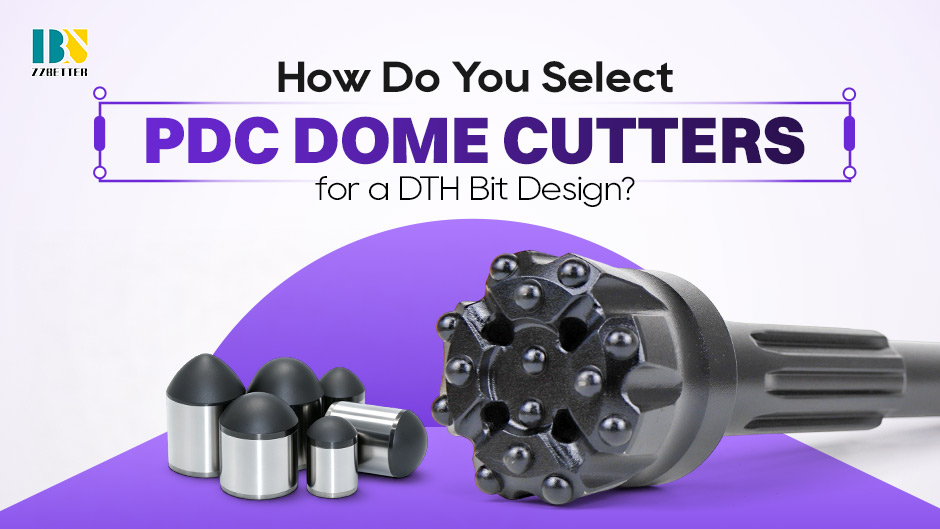
How Do You Select PDC Dome Cutters for a DTH Bit Design?
When designing a down-the-hole (DTH) drill bit, selecting the right PDC dome cutters requires more than matching the outside diameter of an existing carbide button. Engineers must consider the insert's overall height, dome profile, installation dimensions, and the conditions in which the drill bit will operate.
PDC dome buttons are polycrystalline diamond-based cutting elements used in place of a conventional tungsten carbide button. For drill bit manufacturers and purchasing teams, the key is to identify a suitable specification that matches the bit design and the intended drilling conditions.
This guide explains the main selection criteria and the information to prepare when requesting custom PDC buttons.
1. What Are PDC Dome Buttons for dth bits?
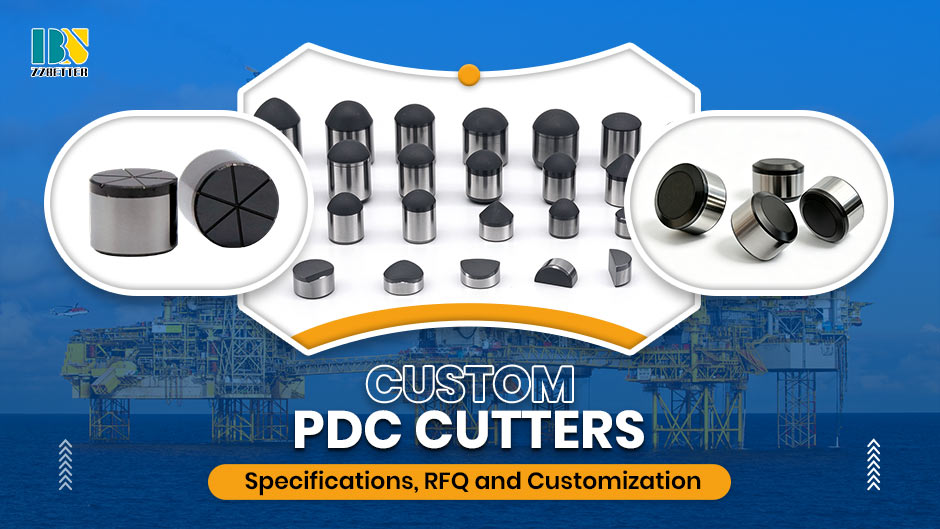
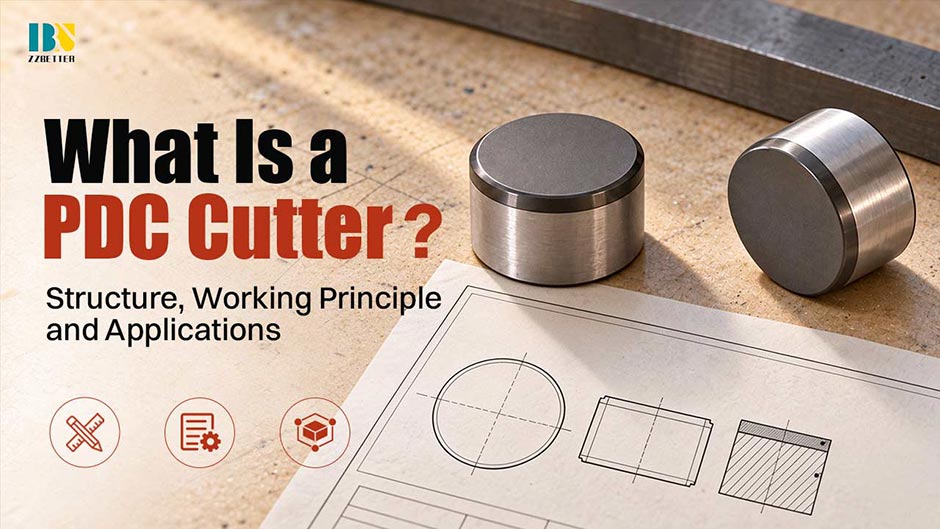
PDC dome buttons are shaped inserts that combine a polycrystalline diamond (PCD) layer with a tungsten carbide substrate. The diamond layer provides the working surface, while the carbide substrate supports the insert and allows it to be integrated into the drill bit.
Unlike conventional tungsten carbide buttons, PDC buttons feature a diamond-based working surface. This difference makes the insert's geometry, material structure, and application requirements important considerations during selection.
In a DTH bit design, PDC dome buttons can serve as an alternative to conventional carbide buttons when the design calls for a diamond-based working surface.
However, replacing an existing carbide button is not simply a matter of choosing an insert with the same nominal diameter. The original button's dimensions, installation arrangement, position on the bit, and operating environment should all be reviewed.
Before selecting a replacement, confirm whether the proposed PDC button is suitable for the intended application and whether the existing bit design requires any adjustments.
2. Which Dimensions and Geometry Should You Check?
Dimensional compatibility is a fundamental consideration when selecting PDC dome buttons for DTH bits. A suitable specification should reflect both the intended insert profile and the requirements of the drill bit.
- Diameter and Overall Height
Start by checking the insert diameter and overall height against the engineering drawing.
Diameter affects compatibility with the designated mounting location. When replacing a conventional carbide button, do not assume that the nominal diameter alone establishes compatibility. The actual dimensions and specified tolerances must be confirmed.
Overall height is equally important. The relationship between insert height, mounting depth, and the surrounding bit structure determines how the button sits within the assembly.
An incorrect height may result in an unsuitable installed position or interfere with the intended arrangement of adjacent components.
For a custom order, confirm the following:
• Required insert diameter
• Overall height
• Mounting-hole dimensions
• Critical dimensional tolerances
Use the approved engineering drawing as the reference for production. If you are working with an existing drill bit, providing its original drawing or a representative sample can help the manufacturer understand the dimensional requirements.
- Dome Profile and Working Surface
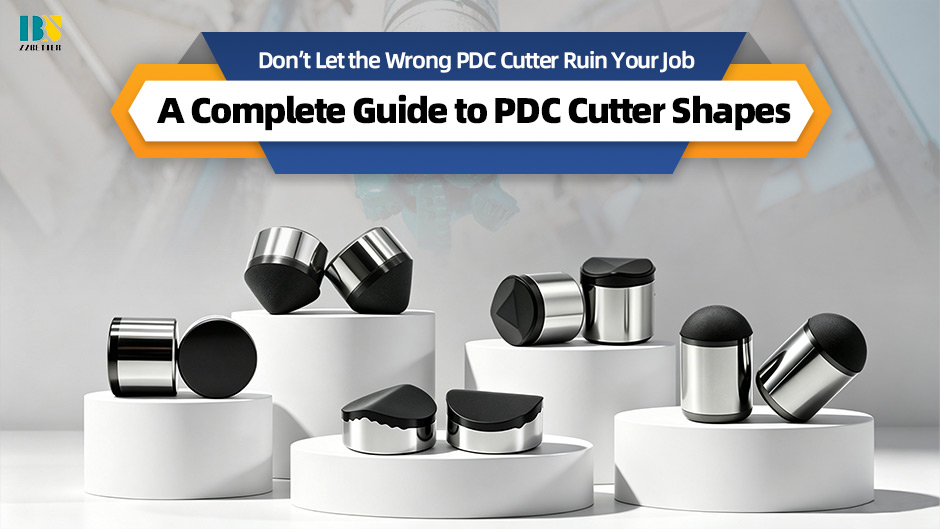
The dome profile is another important part of the specification. Its geometry should be evaluated in relation to the intended bit design, the insert's position, and the expected contact conditions during drilling.
When reviewing a PDC dome button drawing, identify the required top profile and any other critical geometric features. If the replacement must match an existing component, provide the original drawing or a sample rather than relying only on photographs.
The appropriate profile depends on the specific engineering requirements. No single geometry can be assumed suitable for every DTH bit or rock formation.
If a drawing does not clearly define the required profile, ask the manufacturer to review the available information before production begins.
3. How Should You Match PDC Buttons to Actual Drilling Conditions?
Dimensions establish whether an insert can fit the intended design, but application conditions help determine whether the proposed product is appropriate for the job.
Consider the following factors when evaluating PDC buttons for a DTH bit.
• Rock abrasiveness: The characteristics of the formation influence the wear demands placed on the working surface. Information about the target rock and observed wear patterns can help guide the selection discussion.
• Impact loading: DTH drilling subjects the insert to impact loads. The suitability of an insert should therefore be considered in relation to the operating environment, bit structure, and expected loading conditions.
• Insert position and bit design: The location of each button and its relationship to the surrounding components affect its operating conditions. Review the overall bit design rather than selecting an insert in isolation.
• Existing failure patterns: If the project involves replacing conventional carbide buttons, document the problems observed in service. These may include excessive wear, damage to the working surface, or other application-specific issues.
This information gives the manufacturer a clearer basis for reviewing the proposed specification.
It is also important to distinguish between dimensional compatibility and proven application performance. A button that matches the existing dimensions is not automatically validated for every drilling condition. Where the application is new or the operating requirements are demanding, sample evaluation and field testing may be appropriate.
4. What Should You Include in an RFQ for Custom PDC Buttons?
A clear request for quotation (RFQ) helps a manufacturer understand your requirements and determine what additional technical information may be needed.
When requesting custom PDC dome buttons, prepare the following details:
RFQ item | Information to provide |
Product drawing | Insert dimensions, dome profile, and critical tolerances |
Existing component | Original carbide button drawing or sample, if available |
Mounting details | Mounting-hole dimensions and required fit |
Application | DTH bit design, target formation, and operating conditions |
Order quantity | Sample requirements and estimated production quantity |
Quality requirements | Inspection criteria and required documentation |
If a complete drawing is not available, begin with the dimensions you have, photographs, a physical sample, and a description of the intended application. The manufacturer can review the information and identify any missing details.
Before placing a production order, confirm the final drawing, critical dimensions, inspection requirements, and sample approval arrangements where applicable.
For custom products, these discussions are particularly important because the agreed specification—not a general product description—should define what is manufactured and supplied.
Request a Quote for Custom PDC Dome Cutters
Selecting PDC dome cutters for a DTH bit starts with understanding the existing bit design, confirming the required dimensions, and evaluating the intended drilling conditions.
For drill bit manufacturers and industrial buyers considering PDC buttons as an alternative to conventional tungsten carbide buttons, clear drawings and application information provide a practical starting point.
Contact Drillbetter to discuss your PDC button requirements. Share your drawing, existing component details, or preliminary specifications so the team can review the project and determine the information needed for a quotation.