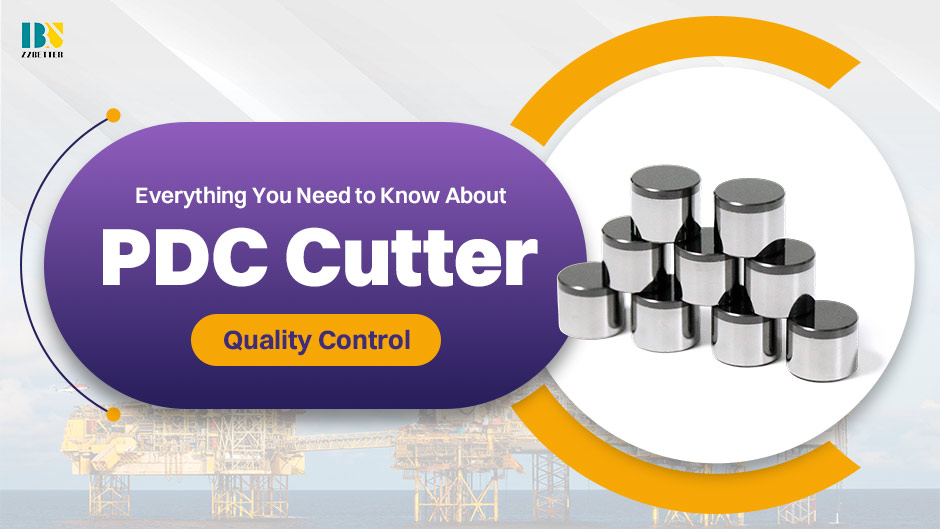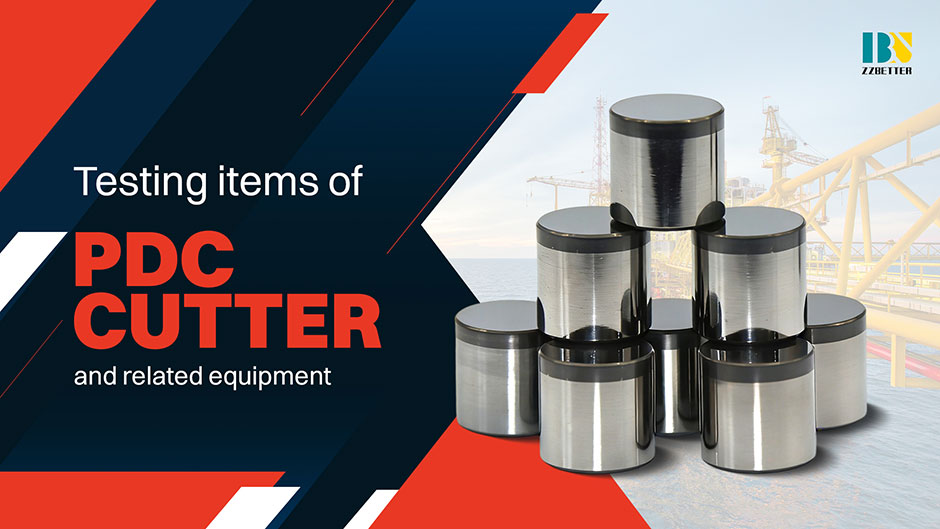
Polycrystalline-diamond compact (PDC) is a composite material consisting of a diamond table sintered onto a cemented-carbide substrate. It combines extreme hardness with excellent wear resistance and is widely used in oil- and gas-drilling bits, geological-exploration tools, coal-mining picks, and metal-cutting inserts.
Routine inspection items for PDC products include: cobalt-leaching depth, impact toughness, internal defects, abrasion ratio, and the magnetic saturation & coercive force of the carbide substrate.
1. Cobalt-Leaching Depth
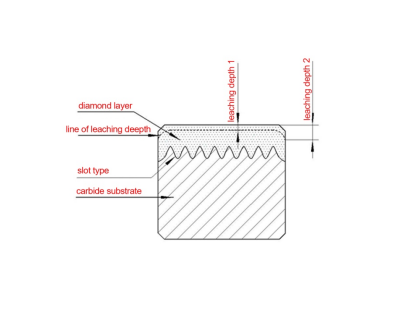
During service, residual cobalt inside the PDC can catalyze the reverse transformation of diamond into graphite, causing premature failure. To improve performance, manufacturers leach out the catalyst with strong acids or oxidants; hence cobalt removal is a critical production step. Grinding tests show that the gain in wear resistance is directly governed by leaching depth. Standard evaluation methods:
a) SEM inspection of a polished cross-section;
b) X-ray radiography.
2. Impact Toughness
As the “teeth” of a drill bit, PDC cutters endure severe impact loads. Impact toughness is a composite index that reflects both the intrinsic toughness of the diamond table and its bond strength to the carbide; it is therefore a key indicator of field performance.
Drop-weight impact test:
a) High-energy single-shot (destructive) impact;
b) Low-energy repetitive (fatigue) impact.
3.Internal Defects
Because PDCs are mass-produced under nominically identical macroscopic conditions, piece-to-piece scatter is inevitable; occasional internal flaws lower the effective yield. Detecting these defects also serves as a quality monitor between production lots.
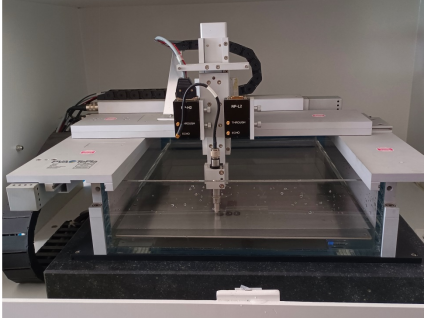
Ultrasonic C-scan (immersion pulse-echo technique).
4. Abrasion Ratio (Wear Ratio)
PDCs are used extensively for drilling and cutting, so wear resistance is a paramount technical index. Numerous test methods have been developed; the two most common are:
a) Universal tool-grinder method;
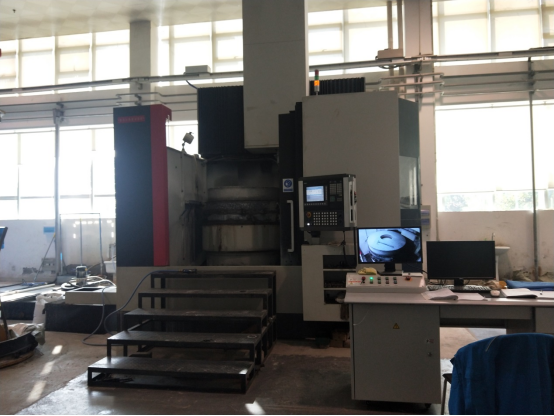
b) Vertical lathe turning of granite.
Universal tool-grinder abrasion-ratio test
Vertical-lathe granite-turning abrasion-ratio test
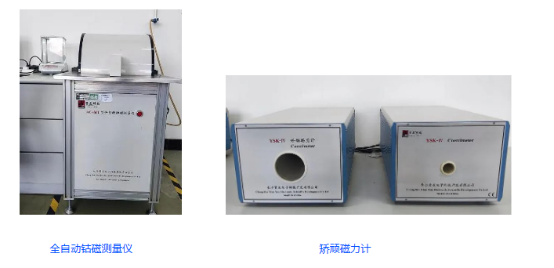
5. Magnetic Saturation & Coercive Force of the Cemented-Carbide Substrate
Magnetic saturation and coercive force are routine non-destructive probes of the substrate’s chemical composition, microstructure, and mechanical properties. Magnetic saturation reflects the carbon content of the cemented carbide, whereas coercive force is a sensitive measure of the grain size of the hard phase.