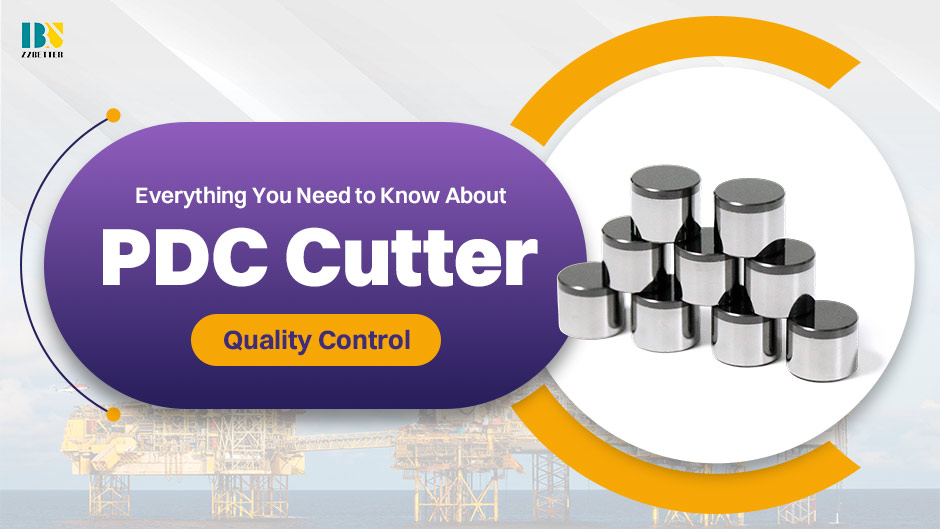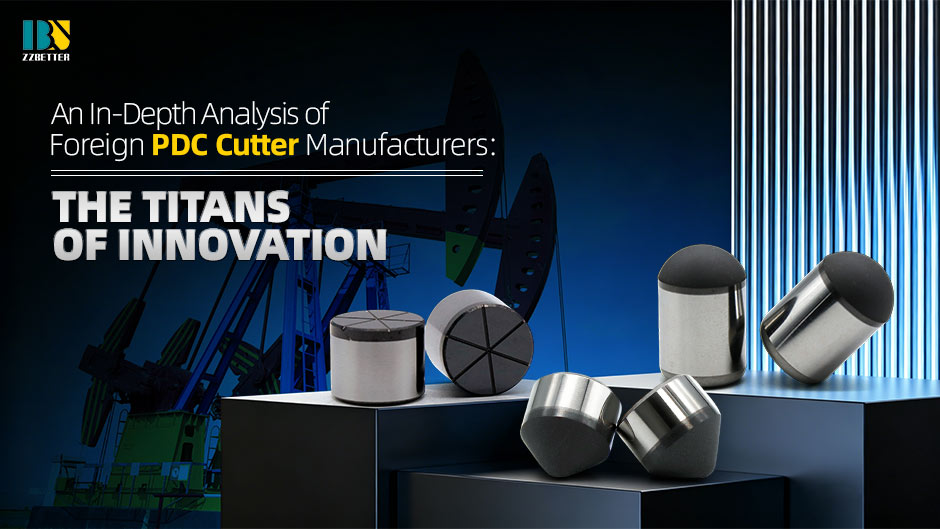
The global landscape of Polycrystalline Diamond Compact (PDC) cutter manufacturing is dominated by a few foreign titans, whose strengths are deeply rooted in decades of material science research, relentless R&D investment, and close collaboration with the world's most demanding end-users. This analysis delves into the core advantages and inherent challenges of these leading Western players, providing a clear-eyed view for industry professionals navigating the supply chain.
Core Strengths: A Foundation Built on Innovation and Precision
The defining advantage of top-tier foreign manufacturers like Element Six (De Beers Group) and US Synthetic (Berkshire Hathaway) is their proprietary material science and process engineering. Their mastery over the High-Pressure High-Temperature (HPHT) sintering process allows for exceptional control over diamond grain structure, cobalt catalyst distribution, and the critical diamond-table-to-substrate interface. This translates into products with superior, predictable, and consistent performance metrics. For instance, Element Six's SYNDRILL series and US Synthetic's Thermally Stable PDC (TSP) products are renowned for their exceptional thermal stability and impact resistance, setting industry benchmarks.
This technical leadership is fueled by aggressive and focused R&D investment. These companies dedicate substantial resources to pioneering next-generation technologies such as cobalt-leaching techniques, nanostructured diamond layers, and advanced interfacial bonding using gradient layers (e.g., Ti, Mo, Cr). Their innovation is often driven by direct, long-term partnerships with Major Integrated Oil Companies (IOCs) and leading Oilfield Service (OFS) giants like Schlumberger and Baker Hughes. This collaborative development model ensures their products are tailor-made to solve specific, extreme downhole challenges, from deepwater drilling to hard, abrasive formations.
Furthermore, they have built an unassailable brand legacy and technical service reputation. The "Pioneer" or "Baker Hughes" brand on a drill bit carries immense weight, signifying reliability. Their value extends beyond the product to comprehensive technical support, cutter failure analysis (CFA), and co-engineering services, embedding them deeply into the client's operational success.
Inherent Challenges: The Cost of Leadership
However, this position of strength comes with corresponding trade-offs, primarily centered on cost structure and supply chain rigidity. The high overhead from R&D, advanced Western labor, and stringent operational standards results in a significantly higher price point. This makes their products less accessible for cost-sensitive operations or in markets where initial tool cost outweighs long-term performance benefits.
Their supply chains and lead times can also be less flexible compared to Asian counterparts. Production is often centralized in technologically advanced facilities (e.g., in the US, Ireland, or South Africa), which can lead to longer delivery schedules and less agility in responding to sudden, high-volume demand shifts. Additionally, their primary strategic focus has traditionally been the high-end oil & gas sector. While this is their core strength, it can sometimes mean less specialized product diversification for other growing markets like mining or geothermal drilling, where requirements and cost pressures differ markedly.
Conclusion and Strategic Insight
For a procurement or engineering manager, foreign PDC manufacturers represent the premium, performance-assured choice. They are indispensable for frontier drilling projects where failure is not an option and cost-per-foot is optimized through extreme durability and rate of penetration (ROP). The decision to specify their cutters is an investment in risk mitigation and proven performance. However, for standardized applications or where budget constraints are paramount, their value proposition must be meticulously calculated against total operational savings.