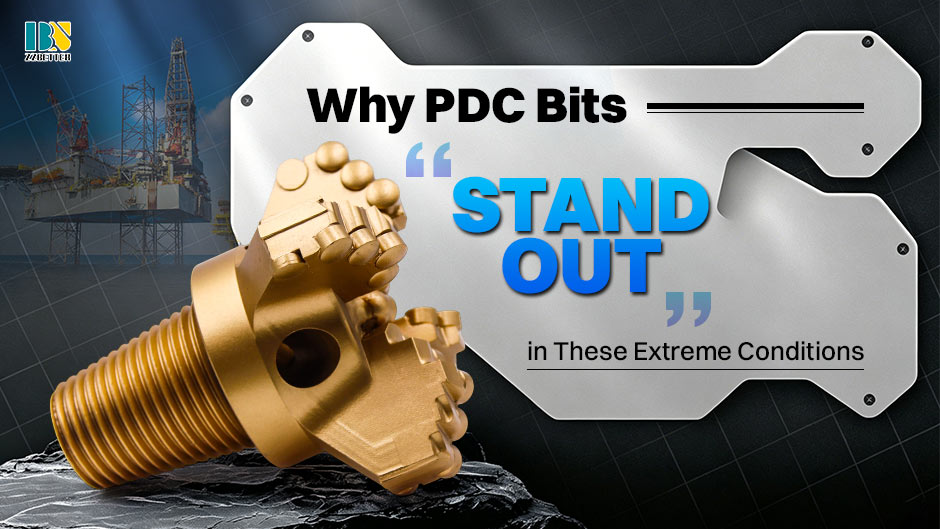
 Given these "hell-level" challenges, why have Polycrystalline Diamond Compact (PDC) bits become the go-to solution? The answer lies in their unique combination of material science and engineering design, which perfectly addresses the needs of both Tarim and Yushuling.
1. Unmatched Hardness and Wear Resistance: The "Diamond" Advantage
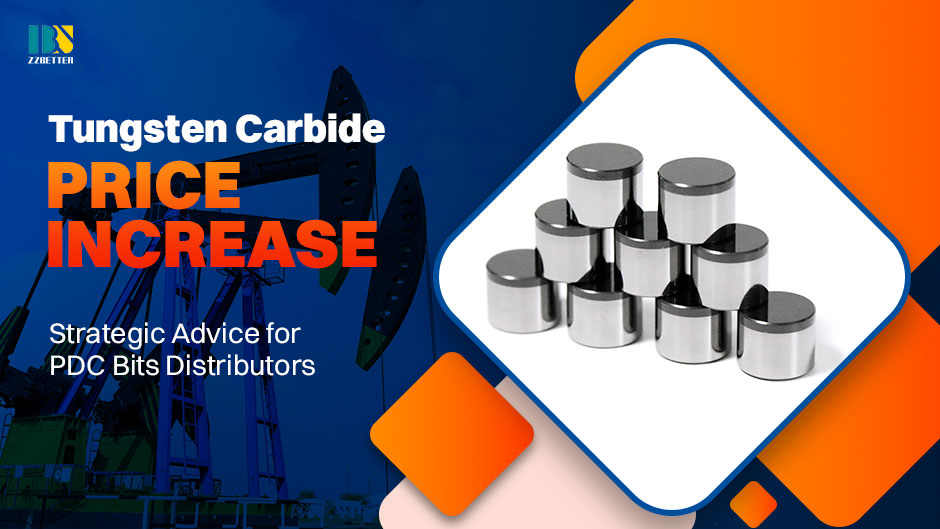
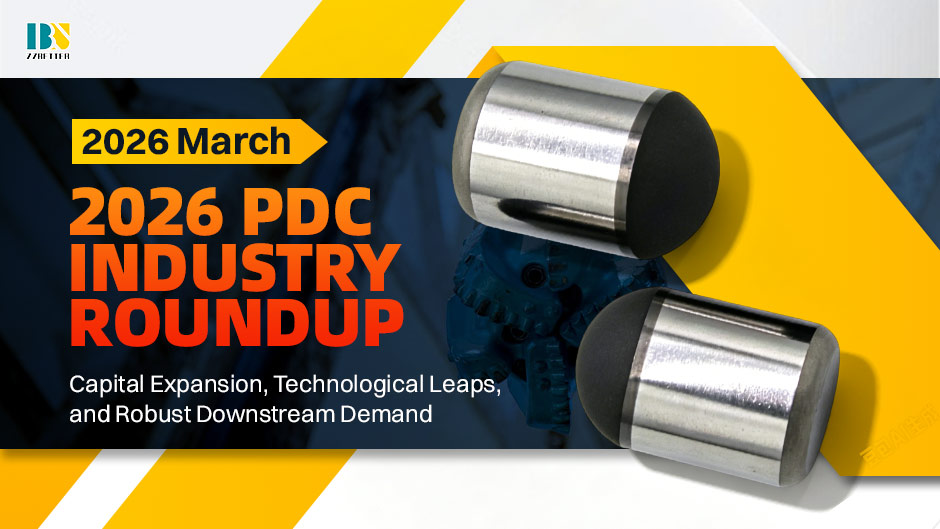
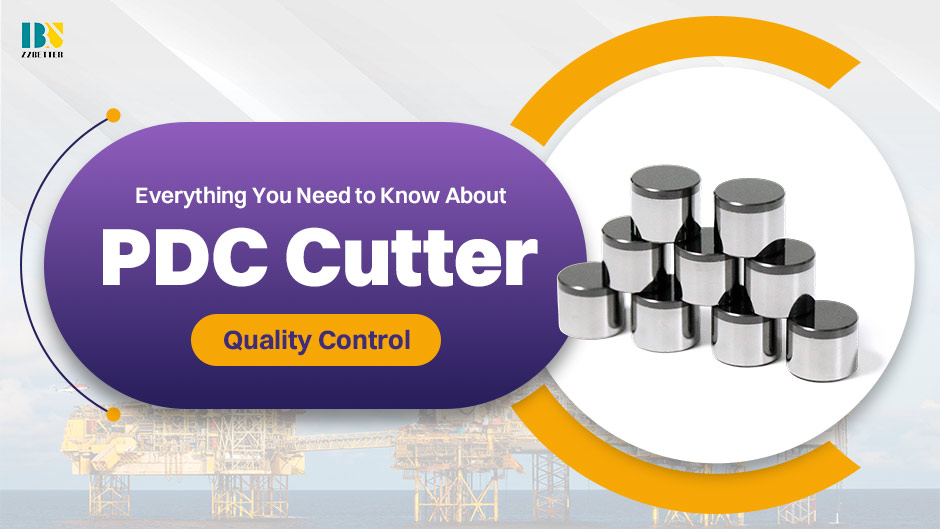
At the heart of a PDC bit lies the PDC cutter—a layer of synthetic diamond micron powder sintered onto a tungsten carbide substrate under high pressure and high temperature.
Shearing, Not Crushing: Diamond is the hardest known material. This allows the PDC cutter to shear rock—like a lathe cutting metal—rather than just crushing it. This is critical for the high-UCS rocks of the Tarim Basin. While a conventional roller cone bit would struggle to "pound" a hole through 180 MPa rock, a PDC bit can "shave" it away.
Resistance to Abrasion: The extreme hardness of the diamond table makes PDC drill bits inherently resistant to the abrasive wear caused by quartz sandstones in both oil and gas drilling and coal mining.
2. Superior Rate of Penetration (ROP) and Efficiency
The shearing action of PDC bits is inherently more energy-efficient than the crushing action of older bit types.
Faster Drilling: This mechanism leads to significantly higher Rate of Penetration (ROP) in soft to medium-hard formations. Data from fields in Southwest China shows that optimized PDC bits can improve ROP by 24% and increase single-bit footage by a staggering 181% . For operators in Tarim, faster drilling translates directly to lower rig costs.
3. Evolutionary Improvements: Thermal Stability and Toughness
Early generations of PDC cutters suffered from "graphitization" (the diamond converting back to carbon) at high temperatures, and they were brittle. Modern manufacturing has solved this.
- Advanced Cutters: Technologies like thermally stable polycrystalline (TSP) cutters and leached cutters remove the cobalt catalyst that causes thermal degradation. This allows modern high-temperature PDC bits to withstand the 150°C+ temperatures of deep wells without losing hardness.
- Improved Impact Resistance: By optimizing the diamond grain size and the interface with the carbide substrate, modern cutters have vastly improved impact resistance, allowing them to withstand the vibrations and shocks common in both oil and gas drilling and coal mining.
4. Unparalleled Customization (Bit Design)
Unlike one-size-fits-all tools, PDC bits are highly engineered solutions.
- Formation-Specific Design: Engineers can customize the bit's blade count, cutter density, back rake angle, and cutter size based on the specific rock mechanics of a target formation. For the abrasive gritstone of Yushuling, a bit might feature high cutter density and tracking cutters to distribute wear. For the directional needs of Tarim, the bit profile can be optimized for stability and steerability. This custom PDC bit design capability is why they can be optimized for everything from hard rock drilling to directional drilling.
5. Extended Bit Life and Reduced Tripping
In an 8,000-meter-deep well, every minute counts. Reducing the number of times you have to pull the drill string out to replace a dull bit saves days of work and millions of dollars.
- Longer Run Life: The extreme durability of premium PDC drill bits allows them to stay on bottom longer. The Research Institute of CNPC reported developing PDC bits with a footage and service life double that of imported bits. This longevity is equally valued in mining, where new PDM-driven PDC bits used for gas drainage have shown an average life of 1,898.5 meters, drastically reducing replacement frequency.
Conclusion: The Indispensable Tool
The PDC bit has not just "stood out" in the challenges posed by the Tarim Oilfield and the Yushuling Coal Mine; it has become the indispensable tool for modern resource extraction. By combining the shear-crushing efficiency of diamond cutters with advanced thermal and impact toughness, and then customizing the design to the specific geological challenges, PDC technology provides the only viable path to economically and safely accessing the resources hidden beneath our feet.
As drilling targets become deeper and more complex, the evolution of polycrystalline diamond compact bit technology will continue to be the key differentiator between success and failure in the global energy and mining sectors.