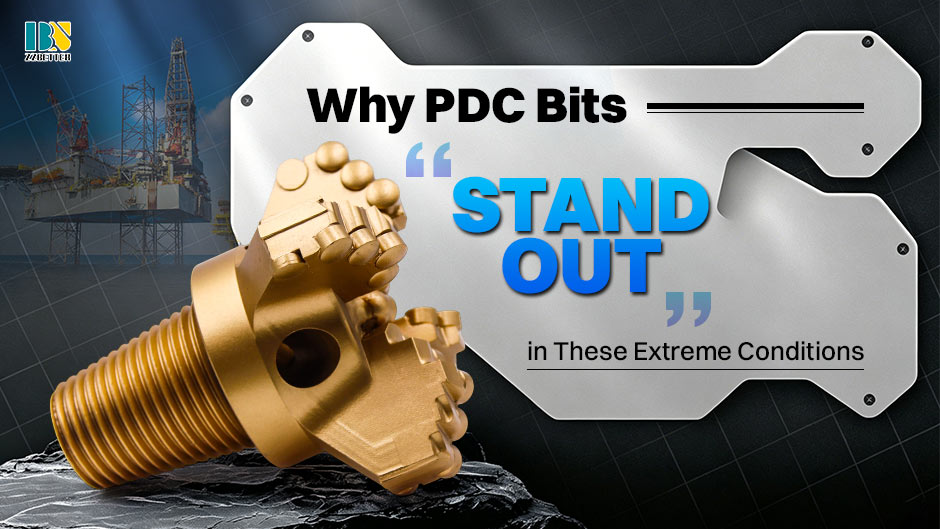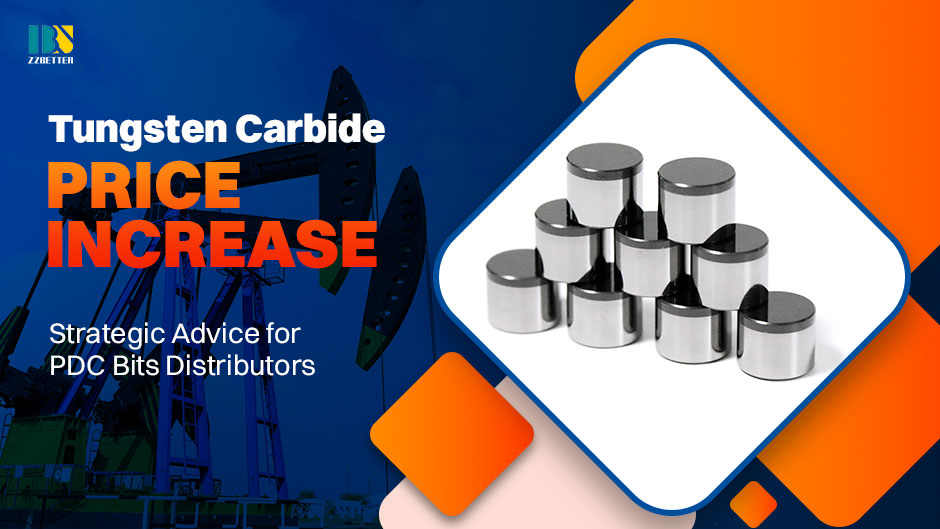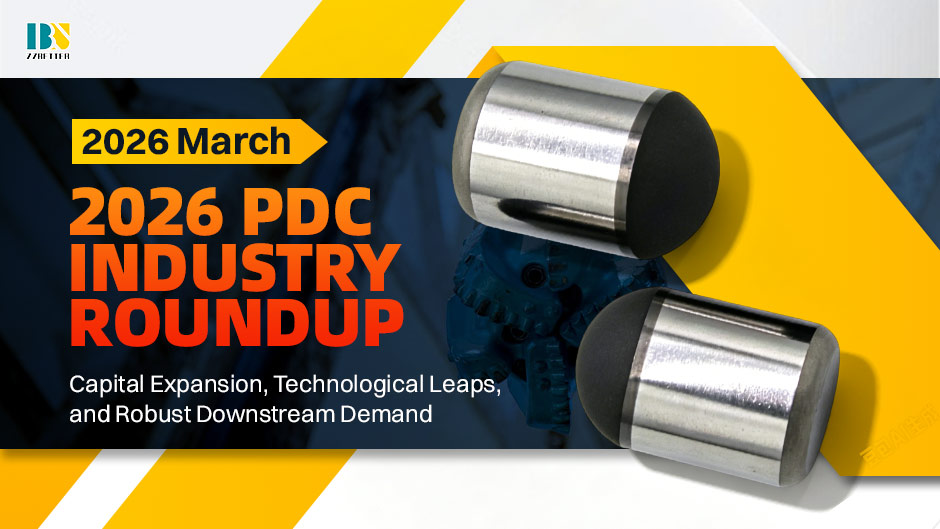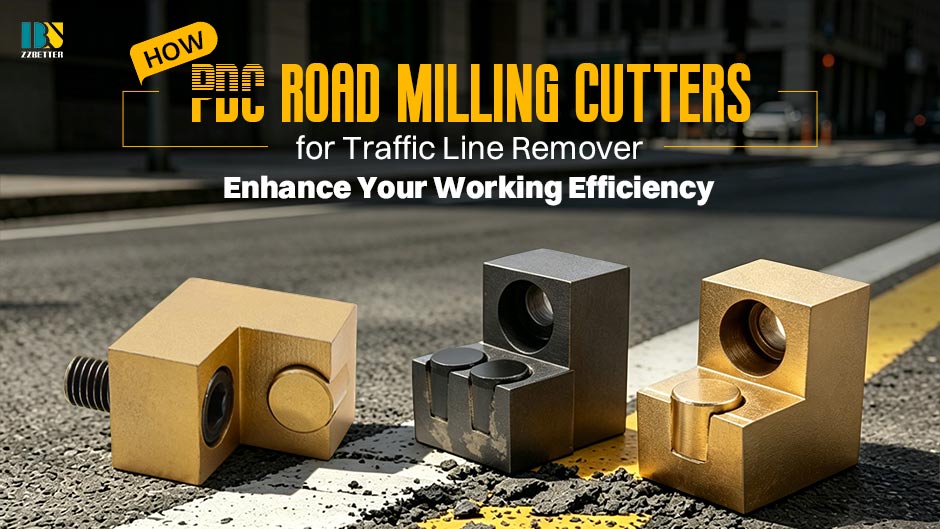
In the demanding world of modern drilling, from deepwater hydrocarbon exploration to complex geothermal and mining operations, efficiency is paramount. At the forefront of this pursuit lies Polycrystalline Diamond Compact (PDC) technology. While often discussed in broad terms, true optimization requires a granular understanding of its components. This article moves beyond the basics to deconstruct the material science, engineered design, and precise application that make PDC drill bits the cornerstone of efficient penetration.
I. The Material Foundation: More Than Just "Diamond"
A PDC cutter is not a mere piece of diamond; it's a meticulously engineered superhard composite material. Its performance is dictated by a symphony of micro-level details.
- The HPHT Sintering Process & Microstructure: The creation of the polycrystalline diamond table occurs under High-Pressure High-Temperature (HPHT) conditions (5-6 GPa, 1400-1600°C). Here, micron-sized diamond grit particles (5-25μm) inter-grow in the presence of a cobalt-based catalyst/solvent. This process creates a bonded diamond matrix renowned for its exceptional abrasion resistance and hardness (≥50 GPa). However, the residual cobalt catalyst within the diamond table is also its Achilles' heel, reducing thermal stability by catalyzing graphitization at around 750°C.
- Advanced Material Evolution: To push boundaries, the industry has focused on catalyst removal techniques and interfacial engineering.
- Thermally Stable PDC (TSP) Cutters: Through acid leaching to remove the metallic catalyst, thermal degradation resistance is dramatically improved, allowing operation in high-temperature formations or where frictional heat is a limiting factor.
- Nanostructured & Graded Interfaces: Leading manufacturers employ nanocrystalline diamond layers and composite transitional layers (e.g., Ti/Mo/Cr) at the diamond table-to-tungsten carbide substrate interface. This interfacial stress management is critical for enhancing cutter impact resistance and preventing delamination under cyclic loading.
II. Engineered Design: Translating Material Properties into Cutting Action
The raw performance of a PDC cutter is harnessed and amplified through intelligent bit body design and cutter configuration.
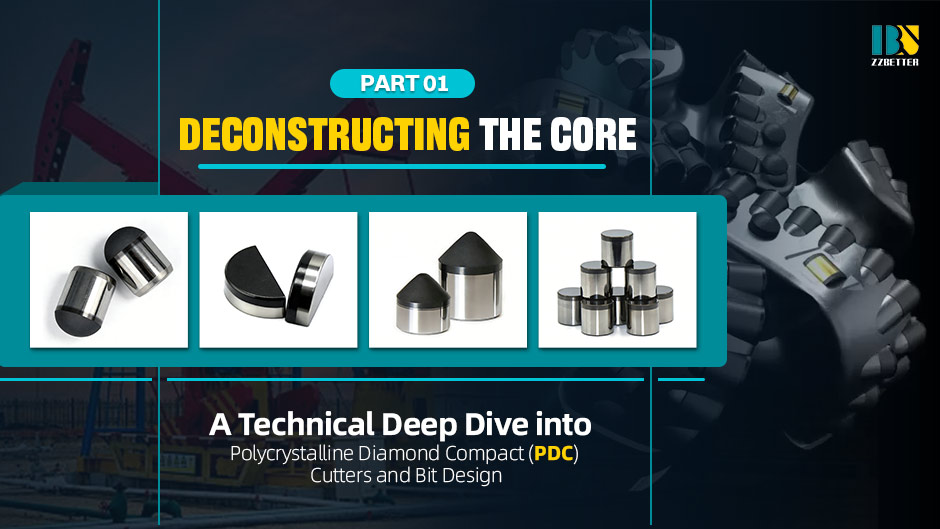
- Cutter Geometry and Placement Strategy: The shape and orientation of each cutter are not arbitrary. Cutter geometry selection—from standard round chamfered to aggressive parabolic or durable asymmetric profiles—is tailored to the expected formation hardness and compressive strength. Furthermore, back rake and side rake angles (typically 15°-25°) are meticulously varied across the bit face to optimize chip generation, manage cutter torque, and ensure efficient cleaning.
- Hydraulic Efficiency and Blade Topology: A PDC bit must clean itself to prevent bit balling and cutters' thermal wear. Modern designs utilize computational fluid dynamics (CFD) to optimize nozzle placement, blade geometry, and fluid flow paths. Innovations like deep, asymmetric junk slots and secondary flow channels are engineered to maximize hydraulic horsepower per square inch (HSI) at the bit face, ensuring cuttings are evacuated before they can be re-ground.
- Gauge Protection and Durability: The bit gauge is subjected to extreme sidewall abrasion. Advanced bits incorporate diamond-enhanced gauge pads and strategically placed diamond-impregnated or tungsten carbide inserts to maintain hole gauge integrity and directional control, directly impacting wellbore quality and directional drilling performance.
The production of PDC and PDC bit is getting more and more advanced, but the core is always the same: to make the PDC and bits serve longer in application, and also friendly to people and environment.
Want to know more about PDC welcome visit www.drillbetter.com.