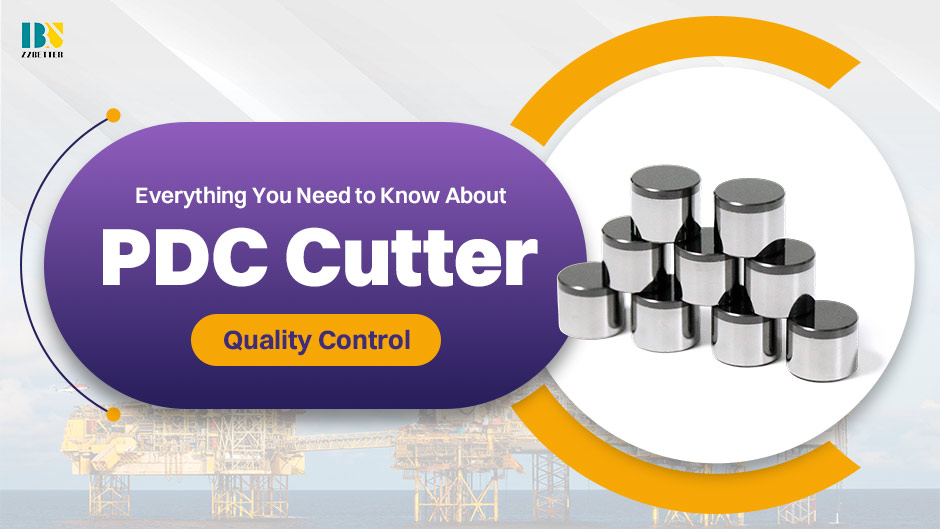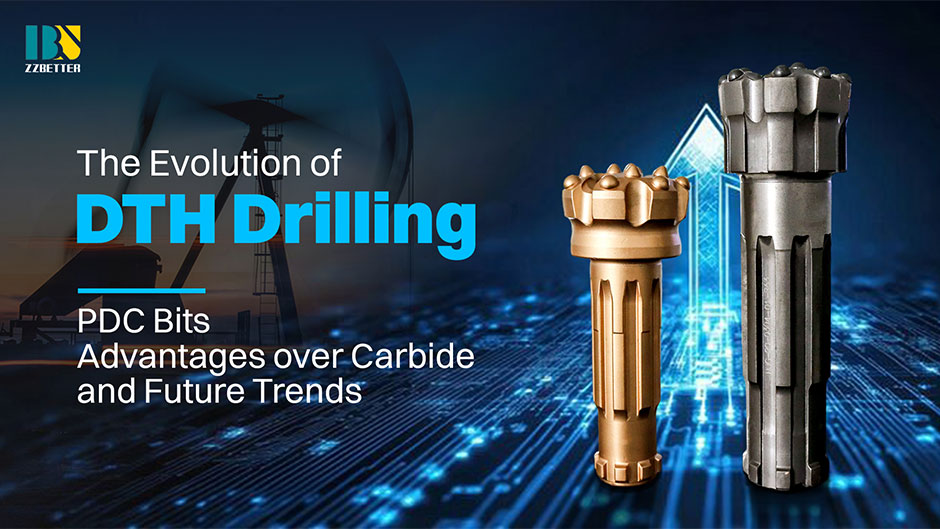
The Down-The-Hole (DTH) hammer market, long dominated by traditional tungsten carbide button bits, is undergoing a significant transformation. The integration of Polycrystalline Diamond Compact (PDC) cutters into DTH bit design represents a paradigm shift, offering a new solution for specific drilling challenges. While websites like www.pdc-drillbit.com and www.cndeep.com showcase these advanced tools, a critical question arises: are PDC dth bits classified as High or Low Air Pressure? Understanding the nature of PDC DTH bits, their distinct advantages over conventional carbide bits, and their future trajectory is essential for drillers and project managers seeking to maximize efficiency and reduce costs.
The PDC DTH Bit: A Shearing, Not Crushing, Mechanism
First, it is crucial to clarify the primary distinction. PDC DTH bits are not fundamentally classified by air pressure like traditional carbide DTH bits. The High-Pressure and Low-Pressure classification is inherent to the DTH hammer itself (e.g., DHD340 vs. CIR series), which dictates the operating pressure and impact energy. A PDC bit is a tool that can be mounted on either a High-Pressure or a Low-Pressure hammer, provided the thread connection and size are compatible.
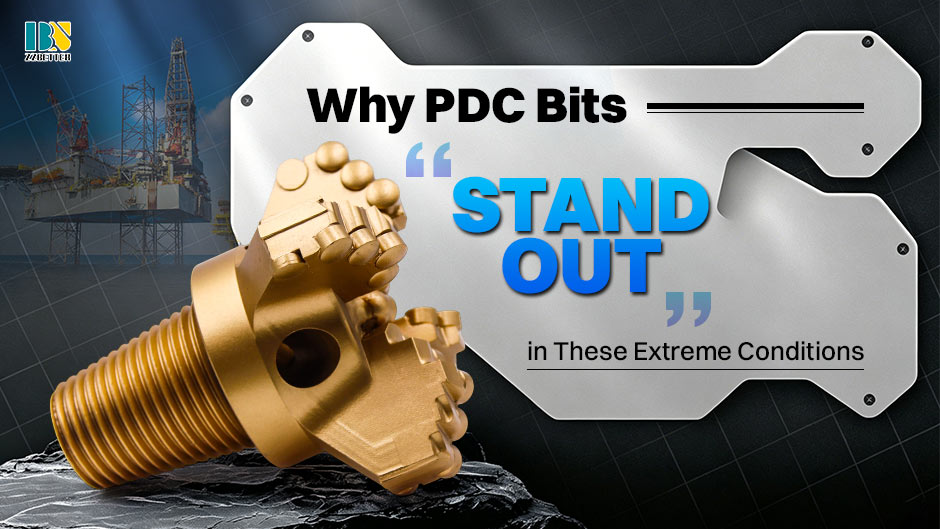
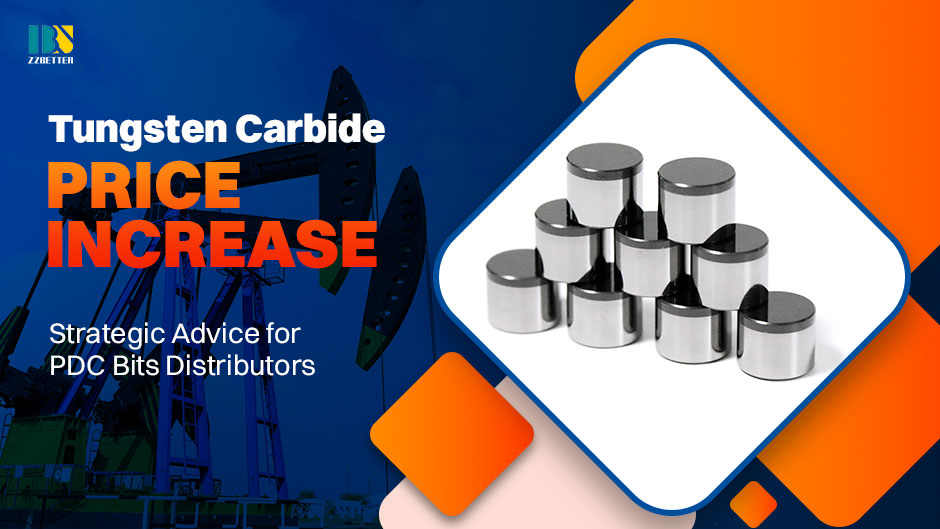
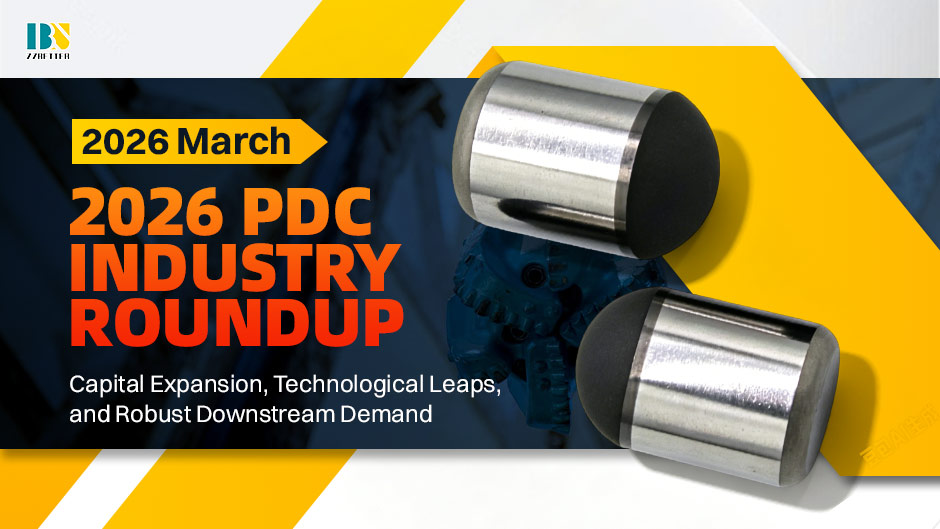
The revolutionary difference lies in the rock-breaking mechanism. Traditional carbide bits are percussion tools; they fracture rock through repeated, high-energy impact. In contrast, a PDC bit is a shear tool. Its sharp, table-shaped PDC cutters—a layer of synthetic diamond bonded to a tungsten carbide substrate—scrape or shear the rock surface continuously under the weight and rotation from the drill string, all while being energized by the hammer's percussion. This combination of shear and percussion makes it uniquely effective.
Key Advantages of PDC DTH Bits over Carbide Button Bits
When compared to conventional carbide DTH bits, PDC DTH bits offer several compelling advantages, particularly in specific formations:
● Superior Penetration Rate and Drilling Efficiency: This is the most significant advantage in applicable formations. The continuous shearing action of a sharp PDC cutter is far more efficient than the cyclic crushing and chip-forming process of a button bit. On www.cndeep.com, this is highlighted as a primary benefit, leading to dramatically faster meter-per-hour drilling rates, which directly translates to lower cost-per-meter.
● Exceptional Wear Resistance and Longevity: The polycrystalline diamond table is the hardest material available in drilling technology. In abrasive, soft to medium-hard formations like sandstone, shale, and limestone, the wear life of a PDC bit can be 10 to 20 times that of a standard carbide bit. This drastically reduces the frequency of tripping operations to change bits, increasing overall rig productivity and reducing labor costs.
● More Stable and straighter Hole: The shearing action provides a smoother drilling process with less vibration and hammer shock compared to the aggressive pounding of a button bit. This stability, combined with the full-face coverage of PDC cutters, helps maintain better hole deviation control and produces a cleaner, more precise borehole.
● Energy Efficiency: The shearing mechanism requires less percussive energy to achieve high penetration rates in non-ultra-hard rocks. This means that for a given hammer size, a PDC bit can often operate more efficiently, potentially allowing for the use of smaller compressor packages or achieving better performance with the same input energy.
● Versatility in Specific Formations: While not suitable for massive, un-fractured hard rock like granite, PDC DTH bits excel in layered, soft to medium-hard, and highly abrasive formations. They are particularly effective in the oil & gas, water well, and geotechnical sectors where such strata are common.
Limitations and Application Boundaries
The superiority of PDC is not universal. Their primary limitation is impact resistance. The sharp, brittle PDC cutters are susceptible to damage from excessive shock load and the "pounding" action in very hard, brittle rock. They also struggle with highly heterogeneous formations with large, hard boulders, which can cause catastrophic chipping. Traditional carbide buttons, with their hemispherical shape, are much more robust under pure impact loading in such challenging conditions.
● The Future of DTH Drilling: An Integrated and Intelligent Path
The trends observed from leading manufacturers point towards a highly sophisticated future for DTH technology:
● Hybrid Bit Designs: The future lies in combining technologies. We will see more bits featuring both PDC cutters for efficient shearing in the center and heel rows, and robust carbide buttons on the gauge to handle sidewall impact and abrasion. This hybrid approach maximizes the benefits of both worlds.
● Advanced Cutter Technology: Research into new PDC formulations, such as thermally stable PDC (TSD) and leached cutters, will expand their application into harder and more abrasive formations. The geometry of cutters will also be further optimized for specific rock types.
● Smart Drilling and Bit Telemetry: The integration of sensors into the drill string and even the bit itself is the next frontier. "Intelligent Bits" will provide real-time data on vibration, temperature, RPM, and WOB (Weight on Bit). This data, processed by AI algorithms, will allow for dynamic optimization of drilling parameters to maximize bit life and ROP, and predict failures before they happen.
● Material Science and Additive Manufacturing: The use of advanced, high-strength alloys for bit bodies, coupled with manufacturing techniques like 3D printing, will enable more complex internal fluid (air) passageways for better cuttings removal and cooling, as well as lighter, stronger, and more durable bit designs.
● Focus on Sustainability: Future developments will increasingly focus on energy efficiency, reducing the carbon footprint of drilling operations. The inherent efficiency of PDC bits aligns perfectly with this trend, as does the development of bits that last longer, generating less waste.
Conclusion
PDC DTH bits do not replace the traditional high/low-pressure system but rather represent a superior cutting tool that operates within it. Their dominance over carbide bits in soft to medium-hard, abrasive formations is clear due to unparalleled penetration rates and service life. The future of DTH drilling is not a choice between PDC and carbide, but a path of integration—leveraging hybrid designs, smart technology, and advanced materials to create adaptive, highly efficient, and intelligent drilling systems that deliver unprecedented performance and value across the entire spectrum of geological challenges.