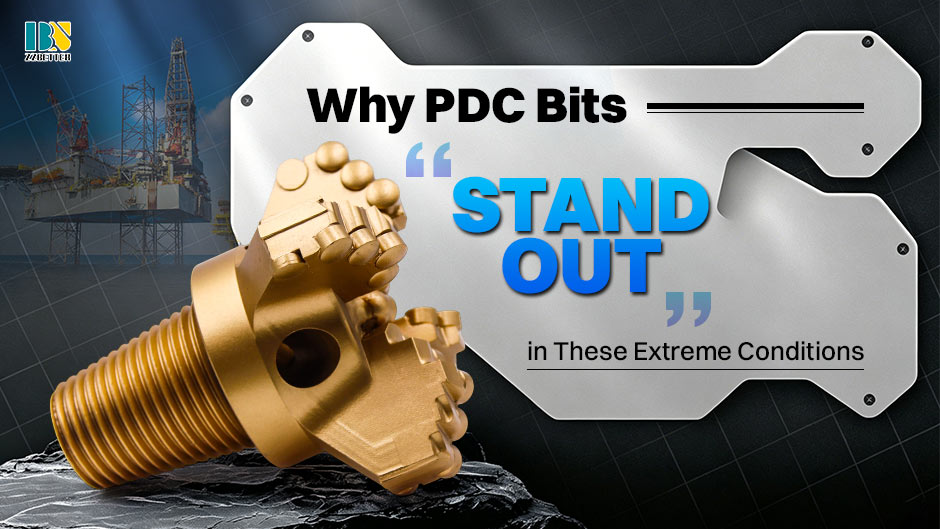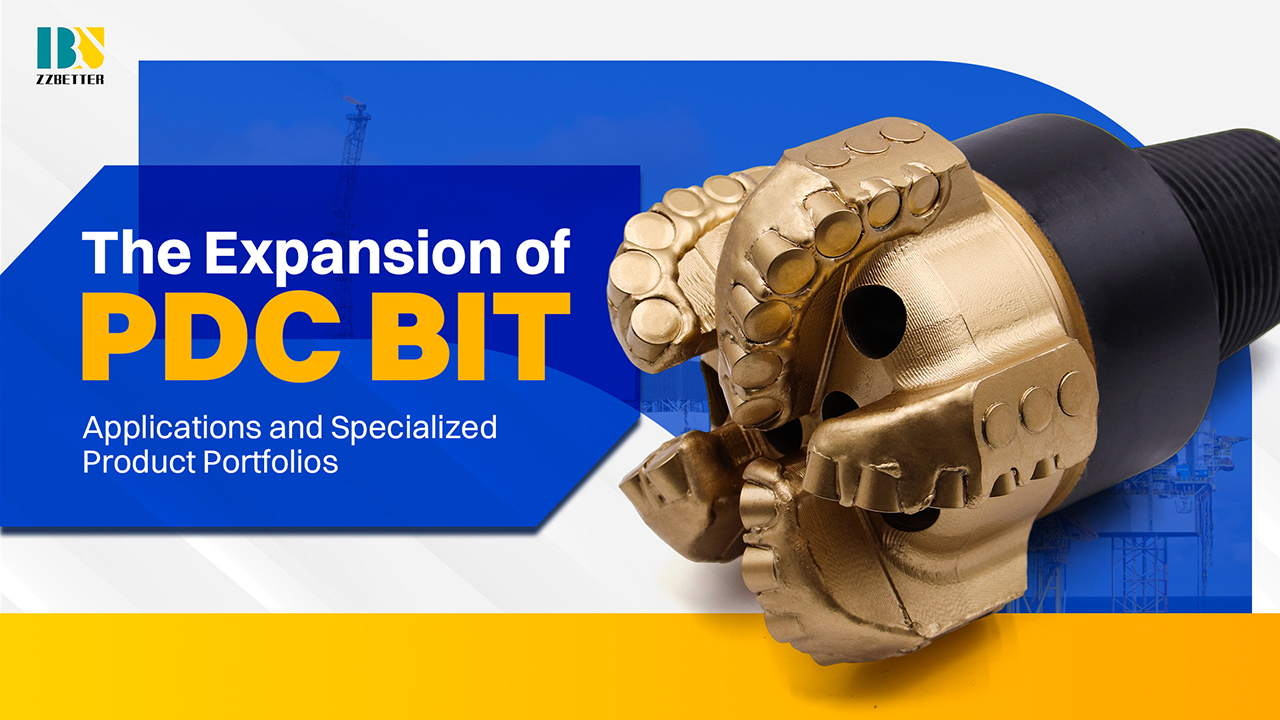
The application of Polycrystalline Diamond Compact (PDC) bits has dramatically expanded beyond its traditional core in oil and gas drilling. Today, the superior cutting efficiency and durability of PDC technology are being successfully deployed in the geothermal energy and mineral exploration sectors. These industries face their own unique challenges, often involving hot, hard, and abrasive igneous and metamorphic rock formations. The robustness of advanced PDC drill bits makes them ideally suited to improve exploration drilling efficiency and reduce well construction times in these demanding environments.
This geographic and industrial expansion is mirrored by a trend towards hyper-specialization in product offerings. The one-size-fits-all PDC bit is obsolete. The market now features a wide array of bits engineered for highly specific applications. We now see distinct product lines for soft formation drilling (designed for maximum ROP), hard formation PDC bits (built for durability and impact resistance), and models meticulously optimized for directional drilling stability and steering response. This proliferation of PDC bit types allows engineers to make precise, data-driven selections based on the specific formation's drillability.
For drilling contractors and operators, this diversification is a significant advantage. It enables a level of operational precision previously unattainable. The key is that thorough pre-well planning, involving detailed formation analysis and close collaboration with bit specialists, is more critical than ever. Selecting the right specialized tool is a fundamental component of well design and a major contributor to reducing non-productive time and improving overall drilling efficiency. Companies that fail to leverage this specialized expertise risk lower performance and higher operational costs.
The digital transformation has firmly taken hold in the realm of PDC bit design and application, moving the discipline from an experience-based art to a predictive science. The cornerstone of this shift is the use of sophisticated bit modeling and simulation software. Engineers can now create a virtual prototype of a bit and simulate its interaction with a digital representation of the formation. This process analyzes critical factors like cutter engagement, force balance, hydraulic flow, and stress distribution, allowing for the optimization of a high-performance PDC bit before it is ever manufactured.
This data-driven approach to drilling is a powerful tool for risk mitigation and performance enhancement. Potential failure modes, such as destructive vibrations (whirl and stick-slip), uneven wear, and poor directional drilling control, can be identified and designed out in the virtual stage. The result is a more reliable and efficient drilling process, directly leading to an improved rate of penetration (ROP) and higher-quality wellbores. This capability is integral to modern drilling optimization strategies.
The implication for the industry is profound. The value of a PDC bit supplier is no longer just in their manufacturing capability, but increasingly in their computational expertise and engineering support. When evaluating suppliers, drilling engineers should insist on seeing simulation data and performance predictions. A supplier's ability to provide comprehensive engineering simulation reports is a strong indicator of their technical competency and commitment to reducing operational risk. In the modern era, the most successful drilling campaigns will be those that leverage this digital edge to ensure that every bit run is optimized for success.