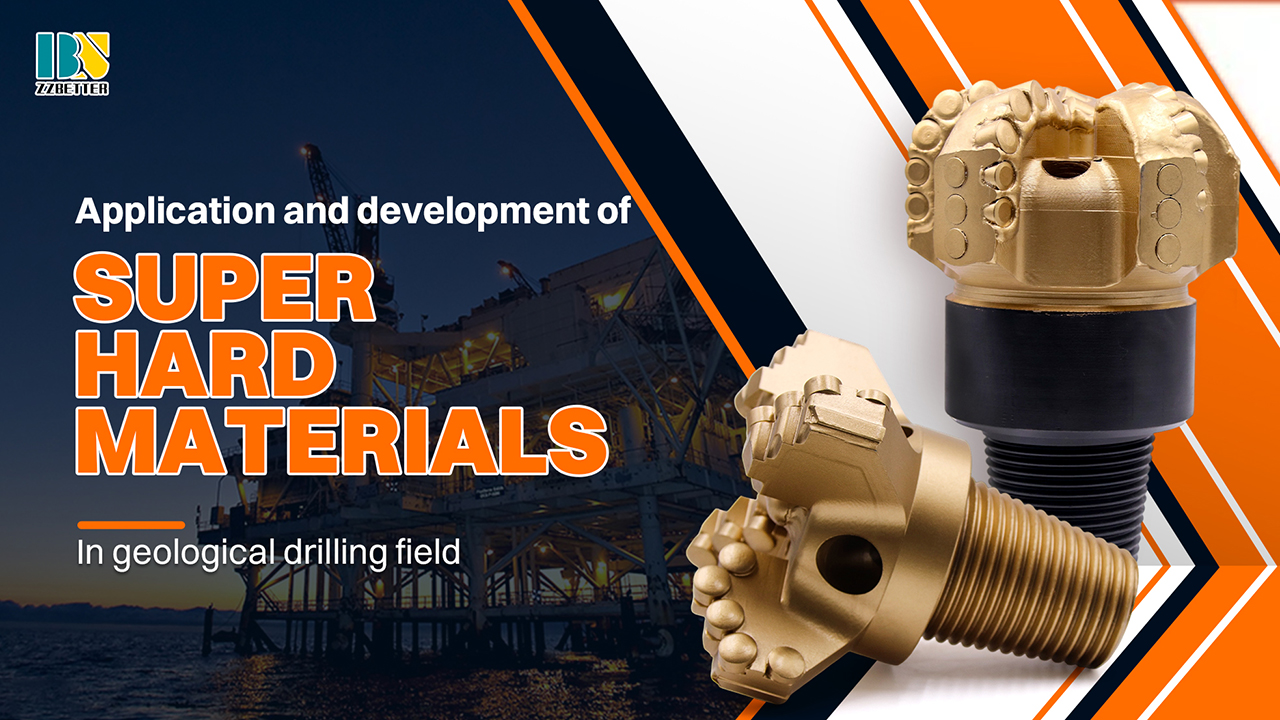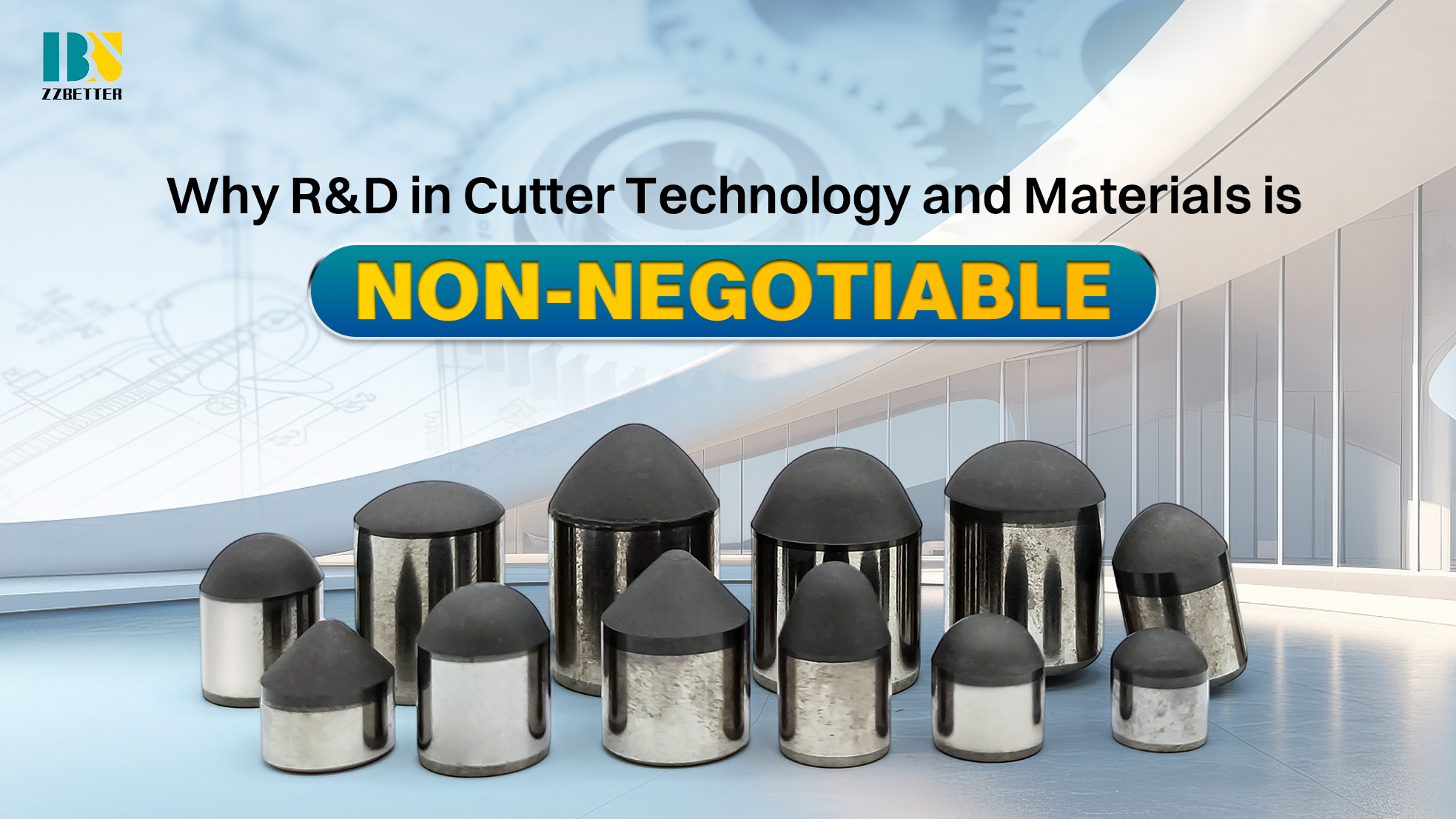
In the highly competitive PDC bit industry, continuous innovation is not merely an advantage; it is a prerequisite for survival. The relentless pursuit of performance is fueled by sustained investment in Research and Development (R&D), which drives advancements in two key areas: cutter technology and materials science. The most prominent frontier is the development of thermally stable PDC (TSP) cutters capable of withstanding temperatures of 1150° Celsius. This breakthrough directly addresses the primary failure mechanism in deep, hard rock drilling, potentially unlocking reserves previously considered undrillable with PDC technology.
Beyond thermal stability, R&D is also focused on the bit body itself. The adoption of additive manufacturing (3D printing) is a revolutionary manufacturing innovation that allows for the creation of complex internal cooling channels and optimized blade and cutter layouts. This not only speeds up the prototyping process for next-generation PDC bits but also enables designs that improve cleaning, cooling, and overall durability, directly impacting the rate of penetration (ROP) and bit life.
For manufacturers, a commitment to R&D must be a non-negotiable, core component of their business strategy, even during market downturns. For drilling operators, a supplier's R&D pipeline and track record of innovation should be a major factor in the partnership decision. The bits that will define the future of efficient drilling are being developed in labs today, and aligning with the companies at the forefront of this innovation is the best way to ensure long-term operational success and a lower cost per foot.
The evolution of the PDC bit industry is fundamentally changing how procurement should be conducted. The traditional approach of awarding tenders based primarily on the lowest initial unit price of a PDC bit is becoming obsolete. The strategic shift among leading manufacturers towards a performance-based bidding model necessitates a parallel shift in how operators evaluate tenders. The focus must move towards the lowest total cost of ownership (TCO), which encompasses the bit's purchase price, its potential for increased ROP, its durability, and its ability to reduce trips.
Real-world data, such as the detailed technical specifications and pricing from a 3.48 million yuan PDC bit tender in China, provides invaluable benchmarks. It shows that large operators are demanding and paying for specific performance characteristics tailored to their geological needs. A tender document that clearly requests performance data and warranties will attract more serious, technology-driven PDC bit bids and filter out suppliers who cannot demonstrate value beyond a low price.
Factors such as documented field performance, engineering simulation reports, and guaranteed performance metrics should be quantitatively scored. By creating a value-driven tender process, companies can ensure they are selecting partners who will contribute to the lowest possible cost per foot for the entire drilling operation, maximizing return on investment and operational efficiency.