In the demanding worlds of mining, geological exploration, and foundation construction, where progress is measured in meters drilled through unforgiving rock, one small component stands as a critical linchpin of efficiency and durability: the PDC button. This ingenious tool is a masterpiece of materials engineering, a fusion of two super-materials designed to conquer the hardest substances on Earth.
Deconstructing the Name and the Object
The acronym PDC stands for Polycrystalline Diamond Compact. This name precisely describes its construction:
● Polycrystalline Diamond: Unlike the single crystal of a natural diamond, the cutting layer is a sintered matrix of countless microscopic, synthetic diamond grains. This polycrystalline structure gives it exceptional hardness and wear resistance, but with superior toughness compared to a single crystal, which can cleave along its crystal planes.
● Compact: This refers to the fact that the diamond layer is permanently bonded or "compacted" onto a substrate under extreme heat and pressure.
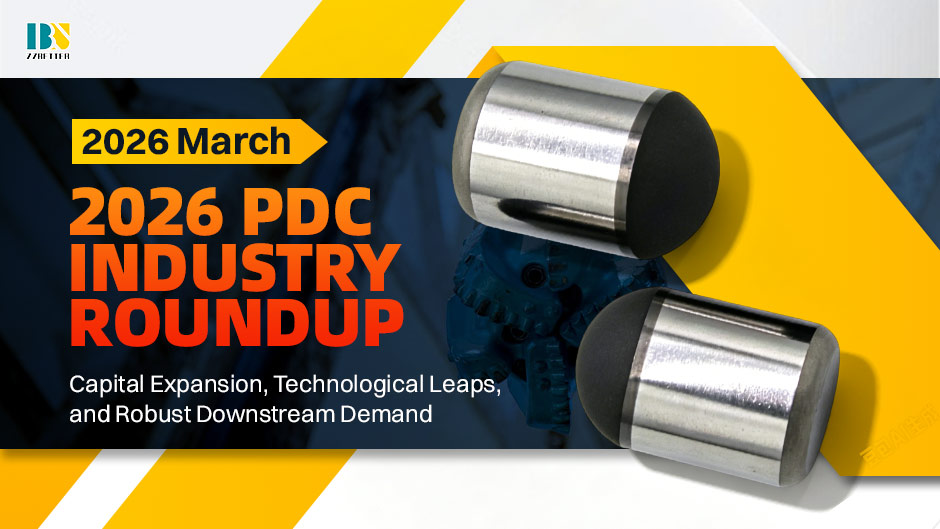
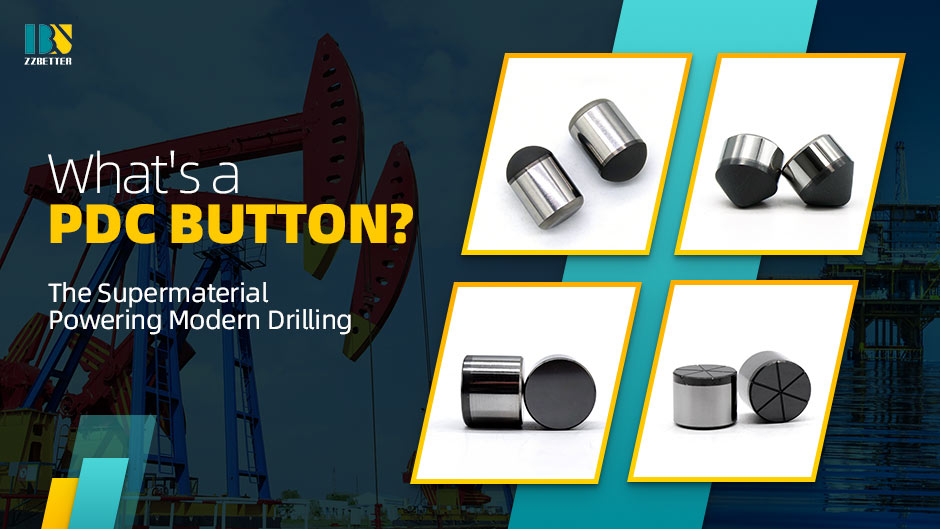
● Button: This denotes its typical physical form—most often a spherical dome or a conical shape. The dome geometry is particularly prized for its strength, excellent stress distribution, and self-sharpening characteristic as it wears.
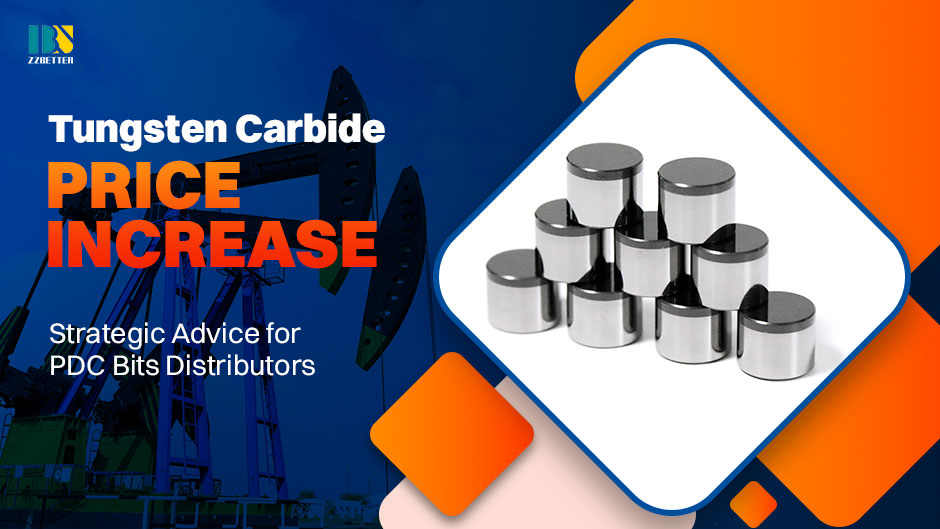
In essence, a PDC button is a cutting or drilling element that consists of a thick layer of synthetic, polycrystalline diamond grown onto a pre-formed tungsten carbide substrate (the "button" base) in a single high-pressure, high-temperature (HPHT) process.
The Anatomy of Performance: A Synergistic Bond
The magic of the PDC button lies in the synergistic marriage of its two components:
1.The Tungsten Carbide Substrate: This base provides the structural backbone. Tungsten carbide is chosen for its exceptional compressive strength and high fracture toughness. It absorbs the immense impact loads and vibrations encountered during percussive or rotary drilling, acting as a shock absorber for the brittle diamond layer above. Its coefficient of thermal expansion is also carefully matched to that of diamond to ensure integrity during the manufacturing process and under the heat of drilling.
2.The Polycrystalline Diamond Layer: This is the cutting face, the hardest material commercially available. Its extreme abrasion resistance allows it to grind away rock with minimal wear. The interlocking network of diamond crystals prevents the propagation of cracks, enabling it to handle both abrasive wear and significant mechanical load.
The bond between these two disparate materials is the culmination of advanced metallurgical science. The interface is not merely a glue; during the HPHT process, a strong metallurgical bond forms, often facilitated by a cobalt-rich zone from the substrate, creating a composite that is far stronger than the sum of its parts.
Why It Reigns Supreme: The Unbeatable Advantages
The PDC button revolutionized drilling technology by offering a set of advantages unmatched by traditional hardened steel or tungsten carbide-tipped tools:
● Extreme Hardness & Wear Resistance: It can outlast conventional buttons by factors of tens or even hundreds, dramatically reducing downtime for bit changes.
● High Thermal Stability: Modern PDC formulations can withstand the frictional heat generated during drilling far better than early versions.
● Superior Cutting Efficiency: Its sharp, durable edge maintains a high Rate of Penetration (ROP), leading to faster drilling cycles and lower cost-per-meter.
● Versatility: While perfect for soft to medium-hard, abrasive formations (sandstone, shale, limestone), advancements have extended its reach into harder, more fractured rock.
Transforming Industries Through Application
Today, PDC buttons are the undisputed champions in critical applications:
● Mining: They are the teeth of drill bits for blast hole drilling, coal mining (roadheaders, shearers), and mineral exploration, enabling faster, more economical extraction.
● Geotechnical & Construction Drilling: They provide clean, precise, and fast drilling for foundation piling, water wells, and seismic investigation holes.
In conclusion, the PDC button is far more than just a "button." It is a foundational technology of modern industrial progress. By harnessing the power of synthesized diamond and marrying it to a tough metallic base, it has become the indispensable, sharpest point of contact between human ambition and the solid rock of our planet, driving productivity and enabling projects previously deemed too challenging or costly to attempt.