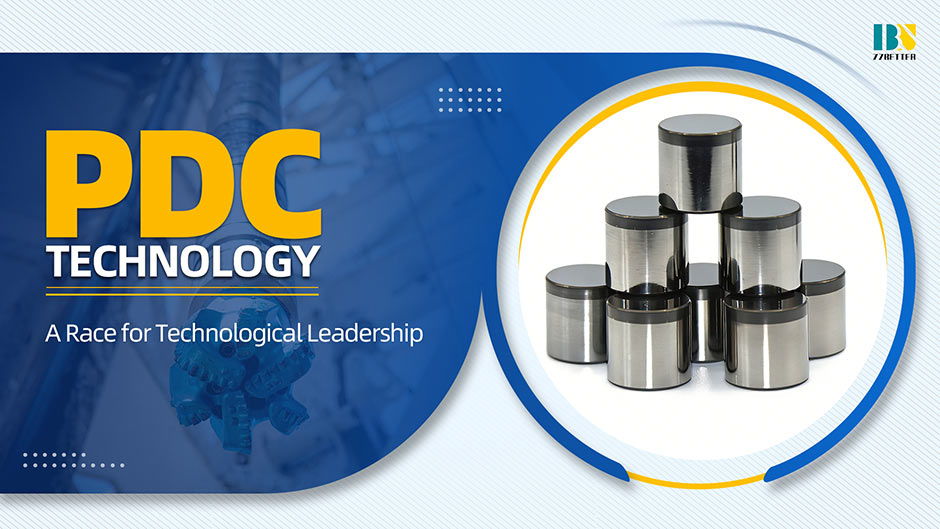
 This patent dispute doesn't exist in a vacuum. Around the world, companies and research institutions are racing to develop the next generation of PDC technology.
At the University of Oxford, for example, researchers are exploring how to strengthen the metallic binder in PCD to solve two persistent problems: thermal degradation at high temperatures and compressive residual stress management. Their goal is to extend the benefits of these extraordinary materials to mining, tunnel boring, and civil engineering applications.
Similarly, in China, Shengli Oilfield Wanhe Petroleum Equipment recently broke foreign monopoly in high-end PDC cutter technology after a five-year collaboration with China University of Petroleum. Their achievements include 61 authorized patents and field results showing 40% improvement in rate of penetration.
These developments demonstrate that PDC drill bit innovation is a global endeavor, and intellectual property is the currency that fuels it.
What This Means for Drilling Professionals
For those of us on the operational side—the drilling engineers, procurement specialists, and operations managers—these legal and technological developments have practical implications.
First, quality assurance. When you purchase PDC bits from established manufacturers with strong patent portfolios, you're buying more than hardware. You're buying decades of R&D, proven material science, and cutters designed to perform in specific formations. The licensed agreement between US Synthetic and Haimingrun ensures that even "mid-tier products" entering the market do so through lawful channels with measured quality standards.
Second, supply chain integrity. As the Chinese example shows, building domestic IP portfolios strengthens supply chain security for critical drilling components.
For operators working in multiple jurisdictions, understanding who owns what technology—and where it's manufactured—matters more than ever.
Third, performance predictability. Patented technologies like Varel's "PDC Booster" design, which enhances rate of penetration without requiring additional weight on bit, demonstrate how IP protection enables innovation that directly impacts your bottom line. When a design is patent-protected, you can trust that its performance claims are based on genuine engineering, not imitation.
The Takeaway: Innovation Validated
The US Synthetic-Haimingrun settlement is more than a corporate legal matter. It's a validation point for an entire industry. It confirms that:
• The PDC drill bit market remains fiercely competitive
• High-performance PDC cutters are recognized as valuable intellectual assets
• Companies are willing to defend their innovations through formal legal channels
• Licensed access can coexist with robust patent protection
As Rob Galloway put it, this agreement "validates US Synthetic's patent portfolio and the importance of innovation". In an industry where every dollar spent on drilling must deliver maximum value, knowing that your PDC bits are backed by defensible, proven technology gives you confidence from the moment the bit tags bottom.