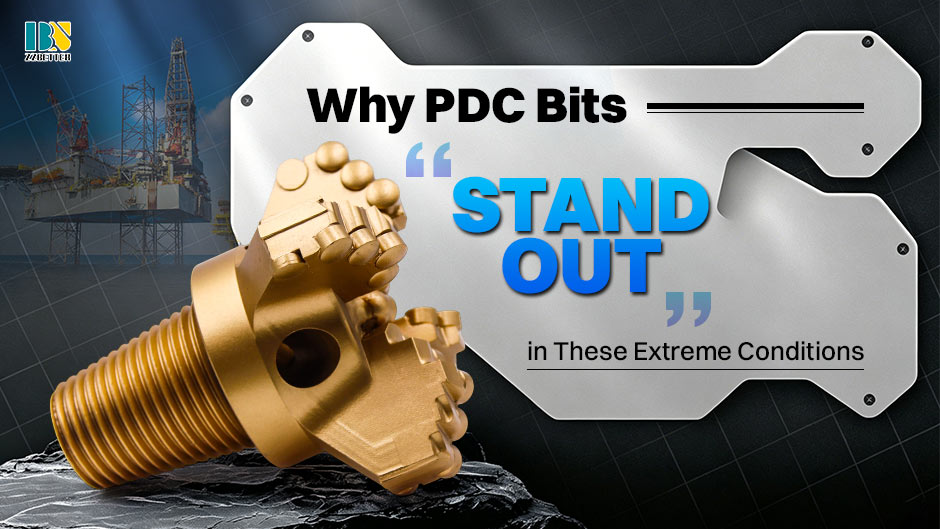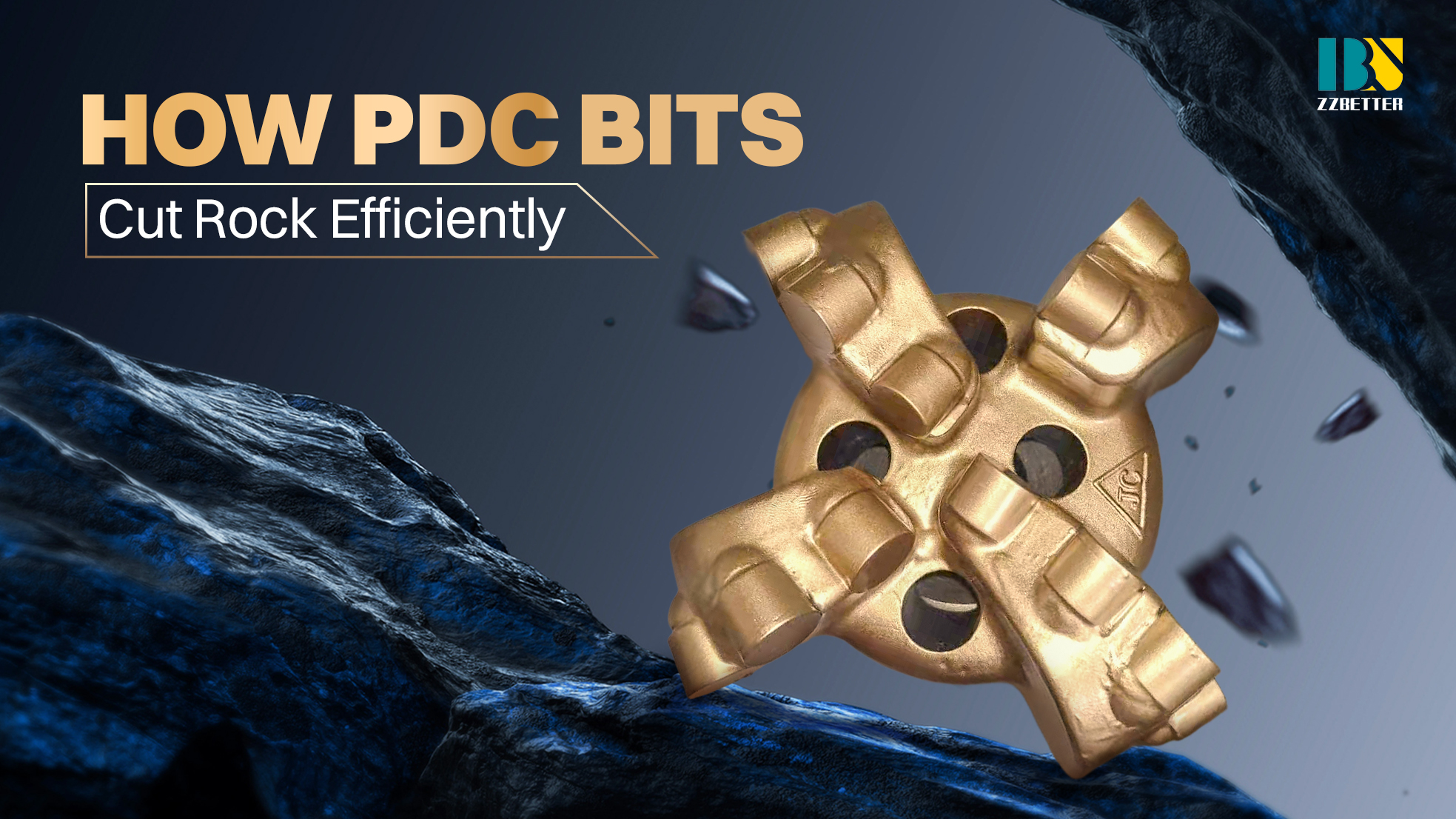
Think of a PDC (Polycrystalline Diamond Compact) bit as a high-speed milling cutter dropped into a wellbore. Instead of pulverizing rock with crushing blows, it peels it away in thin, continuous shavings—quietly, quickly, and with far less energy than any roller-cone bit. That “shaving-not-crushing” philosophy is why PDC bits have become the default workhorses of modern drilling.
Key Components of a PDC Bit – The “Teeth”
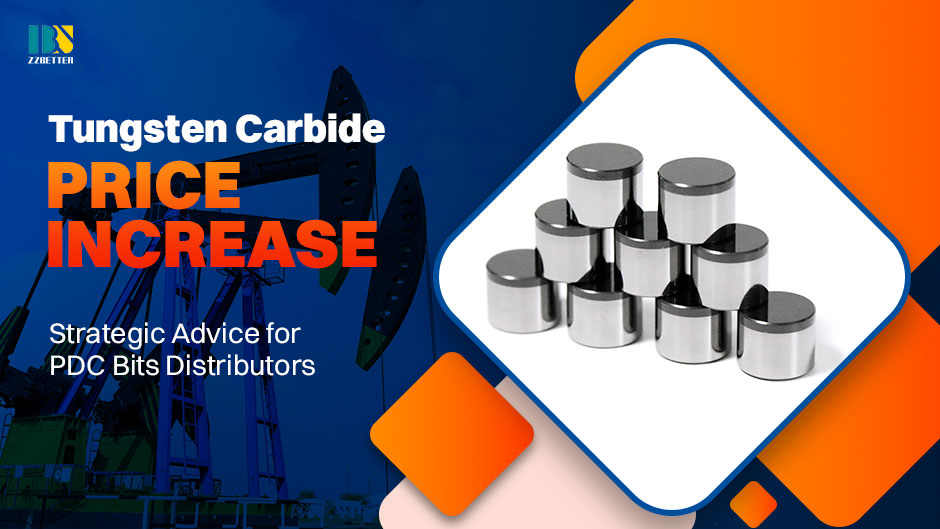
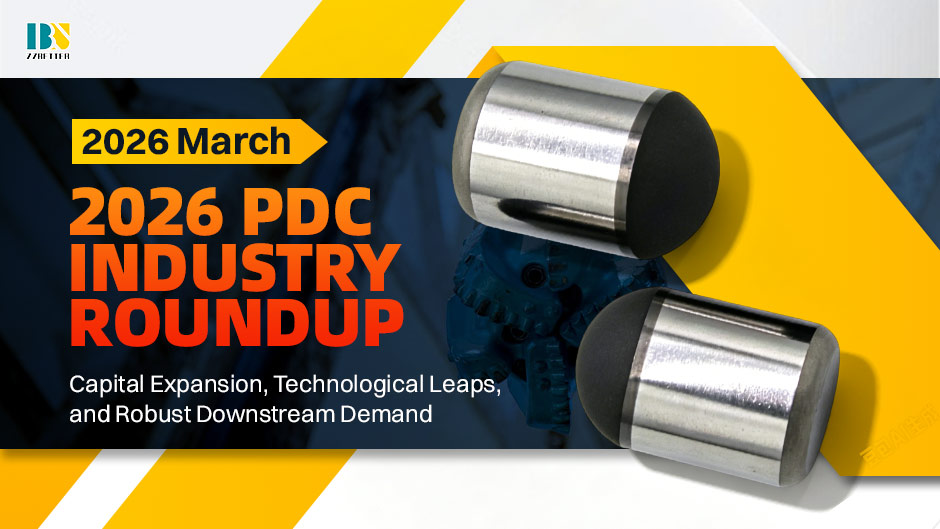
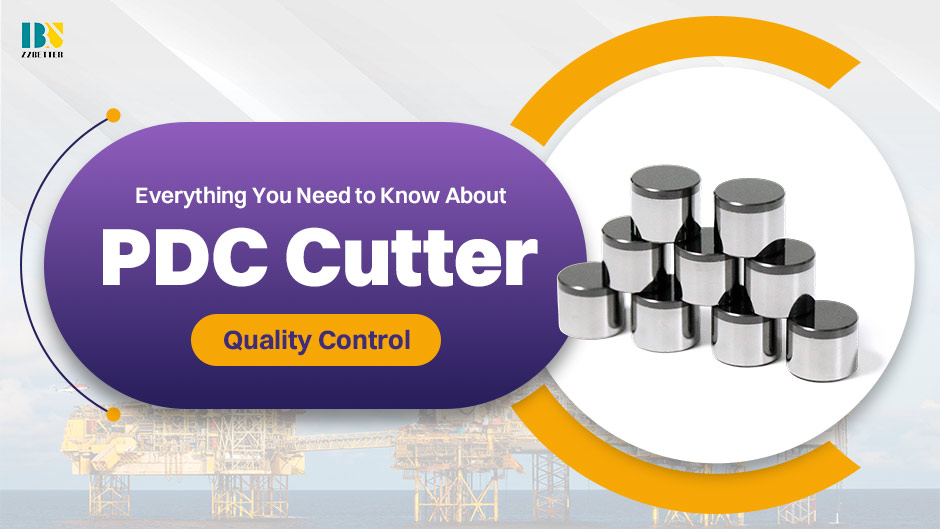
PDC cutter: This is the heart of the bit. Each cutter is a composite material made of two layers: diamond Table and Tungsten Carbide Substrate.
Component | What It Is / What It Does | Material / Manufacturing Note |
PDC Cutter | 1–2 mm-thick cutting face that actually shears the rock; ultra-sharp and abrasion-resistant. | Synthetic diamond crystals sintered at ~1 400 °C & 6 GPa; high quality carbide substare |
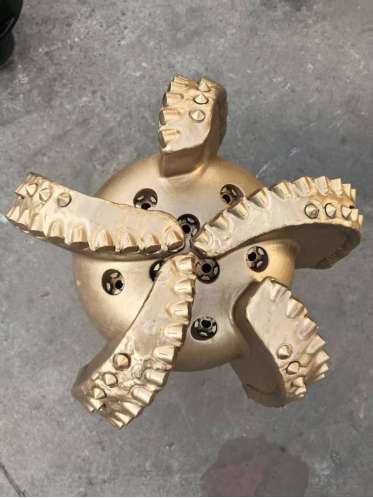
Bit Body | Main structural body that holds all cutters; must survive high torque and mud erosion. | Forged steel or matrix (powder-metallurgy) cast, machined to final geometry. |
Blades | Spiral wings milled into the body; leading edges carry rows of cutters in a pre-set pattern. | Same material as bit body; count & profile set for specific formation. |
Fluid Nozzles | Jewelled or tungsten-carbide jets that shoot high-pressure mud to cool cutters and evacuate chips. | Interchangeable nozzles sized 0.8–12 mm; positioned between blades for 100–250 bar impact. |
Together these elements turn the bottom of the hole into a miniature machine shop: rock is sheared into ribbons, flushed away immediately, and the bit walks away with barely a scratch.
The Cutting Action: Shearing, Not Crushing
This is the most significant difference from other bit kinds.
Shearing Mechanism: As the drill string rotates from the surface (or via a downhole motor), the PDC bit is driven down onto the rock formation. The sharp, flat-faced PDC cutters shear or scrape the rock into small chips, much like a lathe tool cuts metal or a carpenter's plane shaves wood.
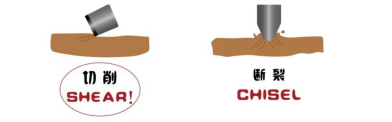
Continuous Action: Unlike a tricone bit, which employs the "crush-and-chip" process with rolling cones, a PDC bit's shearing action is continuous over the whole bottom of the hole. This makes it far more efficient in the appropriate formations.
Visual comparison of cutting mechanisms. The PDC bit on the right slices the rock continually.
PDC Bits VS Traditional Tricone bit
Feature | PDC Bit | Traditional Tricone Bit |
Cutting Action | Shears/Scrapes | Crushes & Chips |
Cutting Structure | Fixed, diamond cutters on blades | Rolling cones with milled teeth or tungsten carbide inserts |
Mechanism | Continuous | Intermittent (as cones roll) |
Best For | Soft to medium-hard, non-abrasive shales, mudstones, salts, clays | Hard, abrasive, and fractured formations |
Key Advantage | Speed & Longevity in the right rock | Versatility across a wider range of rock types |
Advantages of PDC Bits
High Rate of Penetration (ROP):
Thanks to their continuous shearing mechanism, PDC bits can drill significantly faster than roller cone bits in soft to medium-hard, non-abrasive formations.
Exceptional Longevity:
With no moving parts—such as the bearings found in tricone bits—and diamond cutters that offer outstanding wear resistance, a single PDC bit can drill much longer sections of the well. This reduces the need for frequent bit changes and minimizes costly round trips.
Consistent Performance:
PDC bits deliver a steady drilling rate throughout their run and are not prone to the bearing failures that often limit the lifespan and performance of roller cone bits.
Smoother Borehole Quality:
They typically produce a smoother, more uniform borehole, which enhances the efficiency of subsequent operations such as casing installation and cementing.
In conclusion, a PDC bit works by using ultra-hard, sharp diamond cutters to shear rock in a continuous, efficient motion, driven by a combination of downward force and rotation. Its design represents a fundamental shift from crushing to cutting, making it one of the most impactful technologies in the history of drilling.