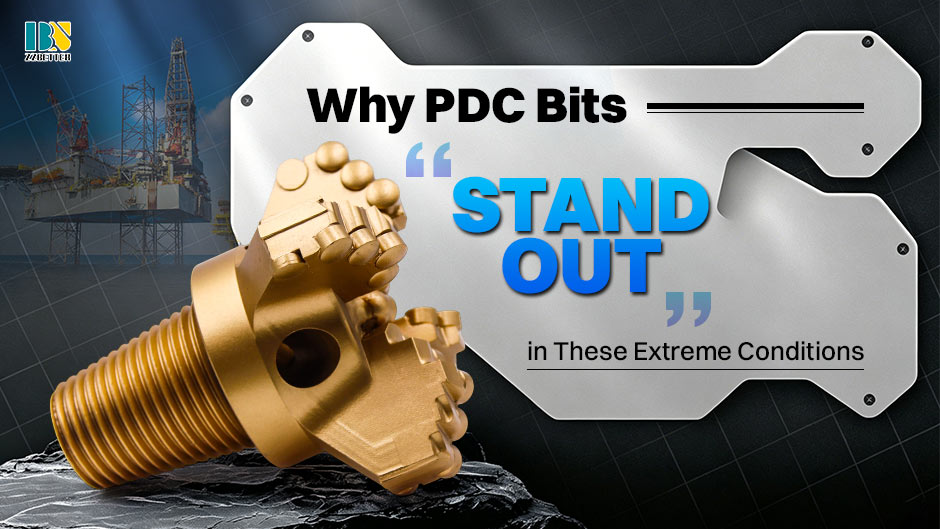
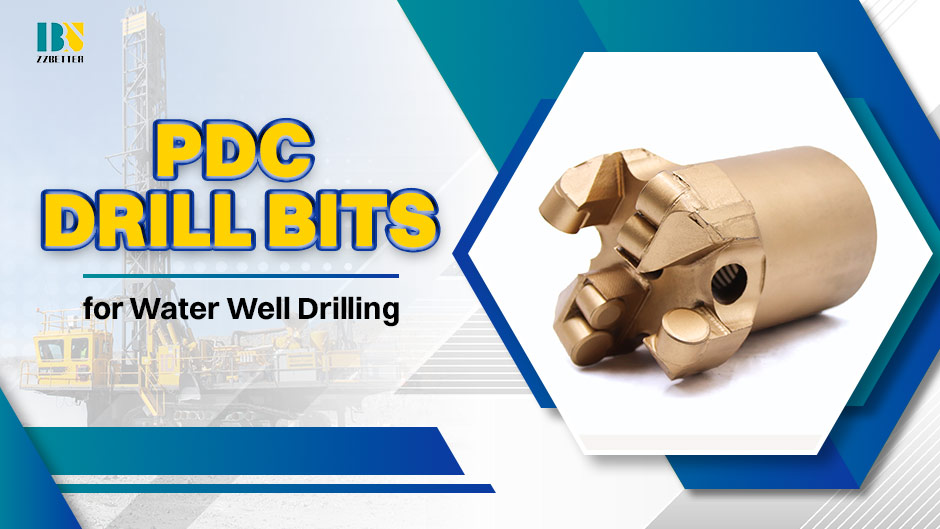
 Access to reliable, clean water is a fundamental requirement for communities, agriculture, and industry worldwide. Water well drilling, the critical process of creating this access, operates under constant pressure to deliver deeper, higher-yielding wells faster and more cost-effectively. In this demanding field, PDC (Polycrystalline Diamond Compact) drill bits have emerged as a transformative technology, fundamentally changing the economics and capabilities of modern hydrology by offering unparalleled efficiency and durability in the very formations where water is most often found.
Unlike the hard, fractured igneous rocks targeted in mining, water wells are primarily drilled through sedimentary formations—layers of sand, clay, silt, sandstone, shale, and soft to medium-hard limestone. These strata, while often drillable, present two major challenges: abrasiveness (especially from quartz sand) and stickiness (from clay). Traditional tri-cone roller bits or carbide-drag bits suffer rapid wear in abrasive layers and are prone to "balling up" in clay, leading to frequent trips out of the hole to change or clean the bit. This downtime is the single largest cost driver in drilling operations.
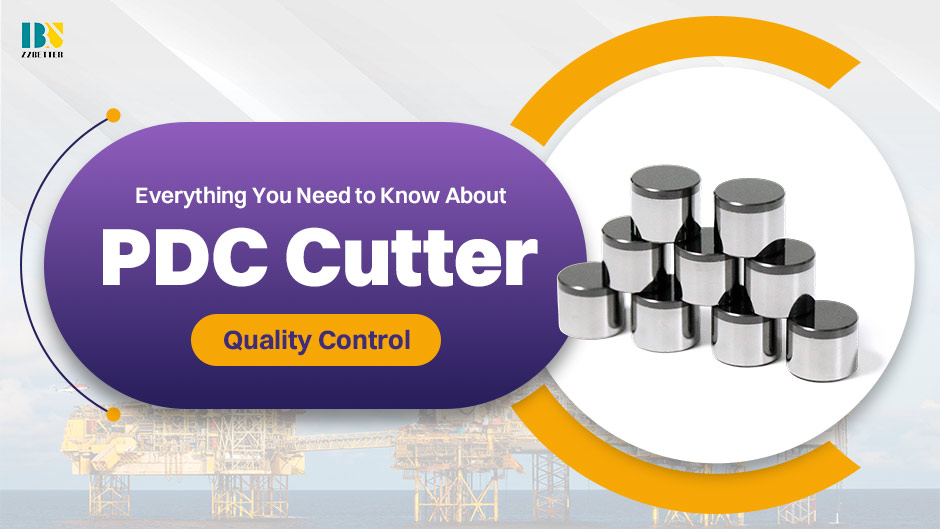
PDC bits conquer these challenges through their fundamental design and cutting action. Armed with multiple cutters featuring a sharp, beveled edge of synthetic diamond, a PDC bit works by shearing the formation. As the bit rotates, these cutters slice through material like a skilled woodworker's plane, rather than crushing it. This shearing mechanism is inherently more efficient, requiring less weight on bit and torque, which translates directly into a higher and more consistent Rate of Penetration (ROP). Drillers can reach the target aquifer faster, sometimes cutting drilling time by 50% or more compared to conventional methods.
The super-hard diamond table provides the second, decisive advantage: extraordinary wear resistance. In the highly abrasive sandstone and gravel layers that can destroy a tri-cone bit's bearings and teeth in a matter of hours, a PDC bit's cutters wear at a glacial pace. This extended service life means a single PDC bit can often drill an entire well, or multiple wells, without needing replacement. The elimination of numerous bit-change trips saves days of rig time, drastically reduces labor costs, and minimizes the mechanical risks associated with repeatedly making and breaking the drill string.
Furthermore, PDC bits contribute to a better-quality well. Their smooth shearing action produces a clean, stable borehole wall with less smearing or disturbance. This is crucial for optimal well development and screen installation, as it allows for more efficient removal of fine particles and ensures a better connection between the aquifer and the well screen. A cleaner hole also facilitates more accurate geophysical logging for formation analysis.
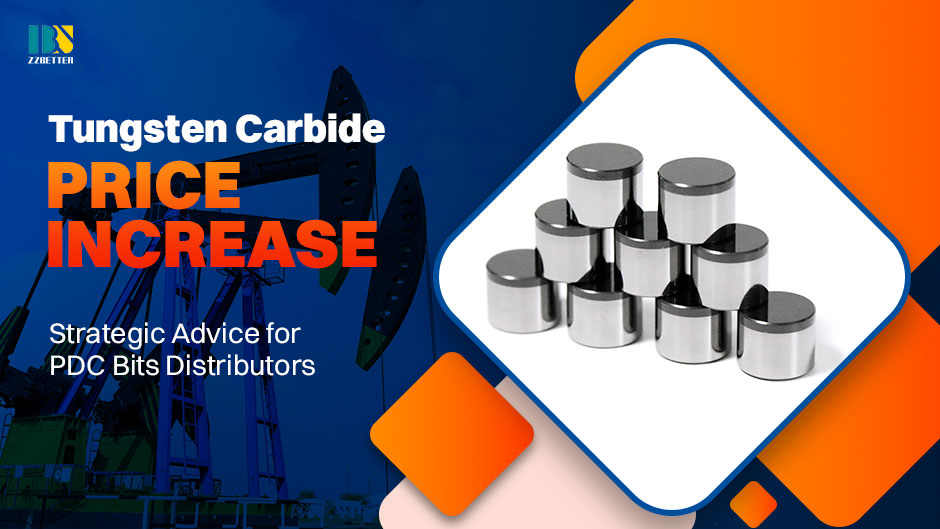
The economic argument for PDC in water well drilling is compelling and revolves around Total Cost of Ownership (TCO). While the initial purchase price of a PDC bit is significantly higher than that of a tri-cone bit, the total cost per foot/meter drilled is almost always lower. The savings generated from reduced rig time, fewer consumables (bits, reamers, stabilizers), and lower fuel consumption quickly offset the higher upfront investment. This makes PDC technology viable not only for large-scale commercial and agricultural wells but increasingly for community water projects where budget efficiency is paramount.
In conclusion, PDC drill bits are more than just an improved tool for the water well industry; they are a catalyst for efficiency and accessibility. By enabling faster drilling through the most common aquifer-bearing formations with unmatched durability, they lower the cost and expand the feasibility of securing vital water resources. In a world facing increasing water scarcity, PDC technology plays a quiet but essential role in engineering a sustainable flow, ensuring that the quest for water is met with speed, precision, and reliability.