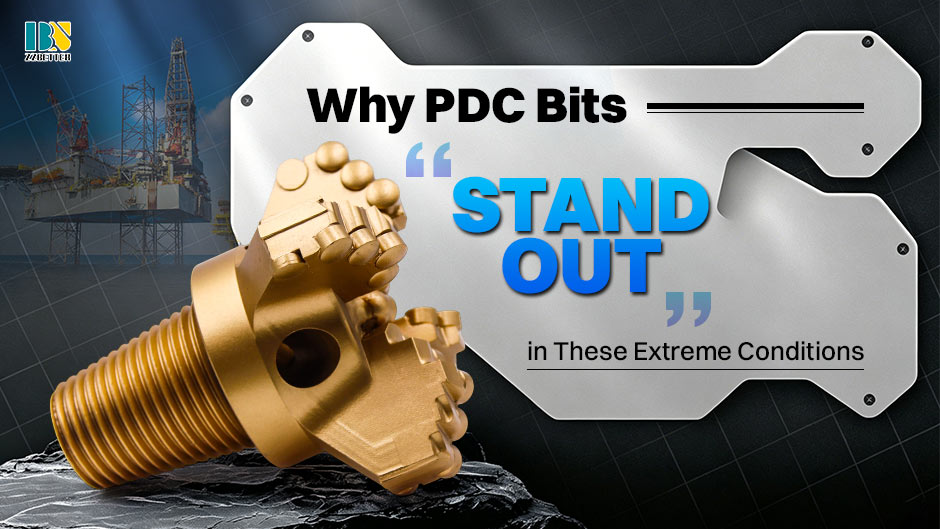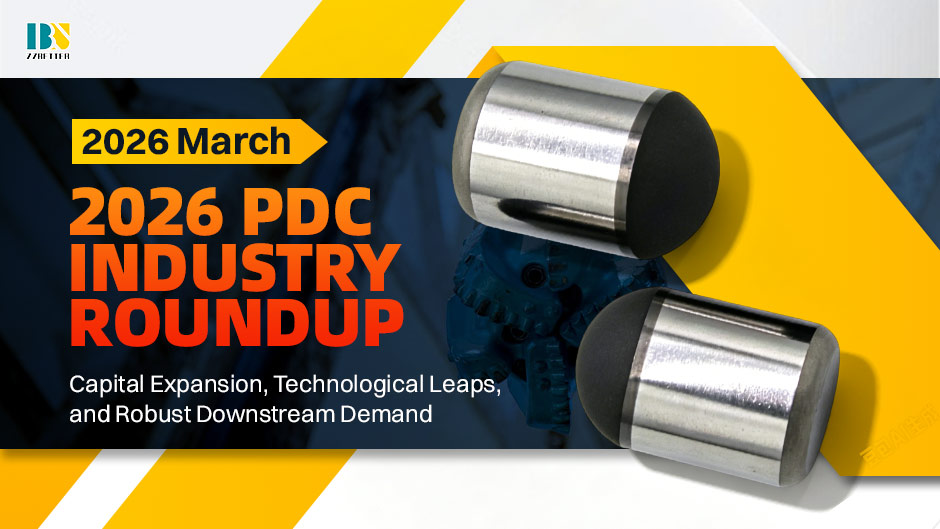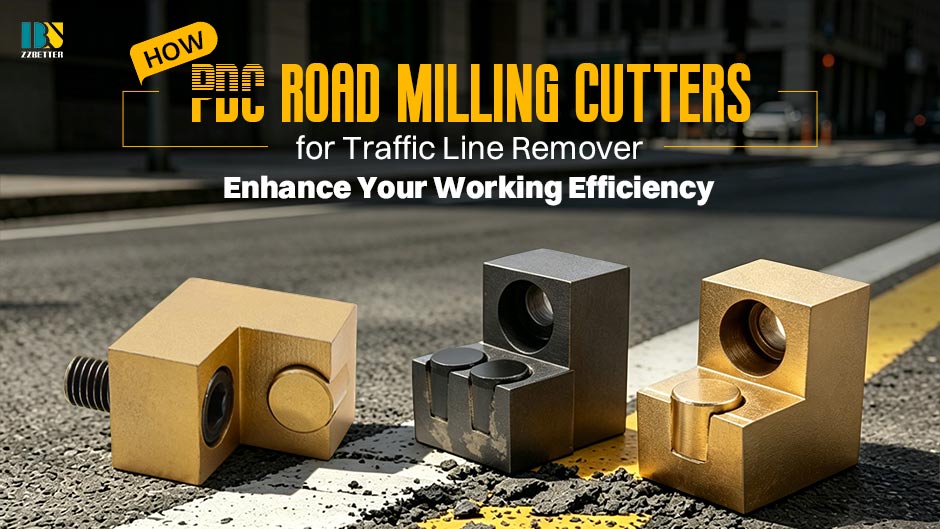
In the realm of geotechnical and construction drilling, where precision, efficiency, and reliability are non-negotiable, PDC (Polycrystalline Diamond Compact) drill bits have emerged as the technological cornerstone. Unlike the percussive, impact-heavy world of hard-rock mining, this sector demands tools capable of cleanly and quickly penetrating a highly variable succession of materials—from unconsolidated soils and clays to layers of sand, gravel, and bedrock. PDC bits, with their unique shearing action and exceptional durability, are uniquely engineered to master this challenge, directly contributing to the safety, speed, and cost-effectiveness of foundational work for our built environment.
The Core Advantage: Shearing Over Crushing
The fundamental superiority of PDC bits in this field lies in their cutting mechanism. Traditional carbide-tipped or roller-cone bits often rely on a crushing or fracturing action, which can be inefficient in soft formations and may lead to borehole instability. A PDC bit, armed with multiple strategically placed diamond-enhanced cutters, operates by continuously shearing the formation. As the bit rotates under weight, the sharp, beveled edges of the PDC cutters scrape thin layers of material, similar to a lathe machining metal. This process offers decisive benefits:
· High and Consistent Rate of Penetration (ROP): The shearing action is exceptionally efficient in soft to medium-hard materials, allowing for remarkably fast drilling progress. This directly translates to shorter project timelines.
· Superior Borehole Quality: The clean shear produces a smooth, uniform borehole wall with minimal disturbance. This is critical for structural integrity in drilled shaft foundations, for obtaining accurate geotechnical samples, and for ensuring proper grout or concrete bonding in tie-back anchors or micropiles.
· Reduced Vibration and Energy Consumption: The continuous cutting action generates less vibration than percussive methods, reducing stress on the drill rig and crew while operating with greater energy efficiency.
Dominant Applications in Construction and Geotechnics
PDC bits are not a one-size-fits-all solution but are specifically designed for key applications:
1. Drilled Shaft (Caisson) Foundations: For skyscrapers, bridges, and heavy industrial plants, large-diameter (often 1m to over 3m) shafts are drilled to bedrock. PDC core barrels or full-face bits efficiently cut through overburden and rock, creating a precise shaft for reinforced concrete placement. Their long life is crucial for drilling multiple shafts on a single project without constant bit changes.
2. Anchoring and Micropiling: Installing tie-back anchors for retaining walls or micropiles for structural support requires clean, stable holes. PDC bits provide the precise geometry needed for optimal grout-to-ground contact, ensuring maximum load-bearing capacity of the installed element.
3. Water Well and Geothermal Drilling: For high-yield water wells or closed-loop geothermal systems, drilling speed and borehole straightness are paramount. PDC bits excel in the sedimentary formations typical of these applications, delivering productive wells faster and with longer bit life than conventional tools.
4. Site Investigation and Coring: While not replacing diamond-impregnated bits for hard rock coring, PDC bits are invaluable for fast, continuous sampling in soil, clay, and softer rock layers, providing geotechnical engineers with high-quality, undisturbed samples for analysis.
Design Specifics for the Task
PDC bits for this sector are meticulously engineered:
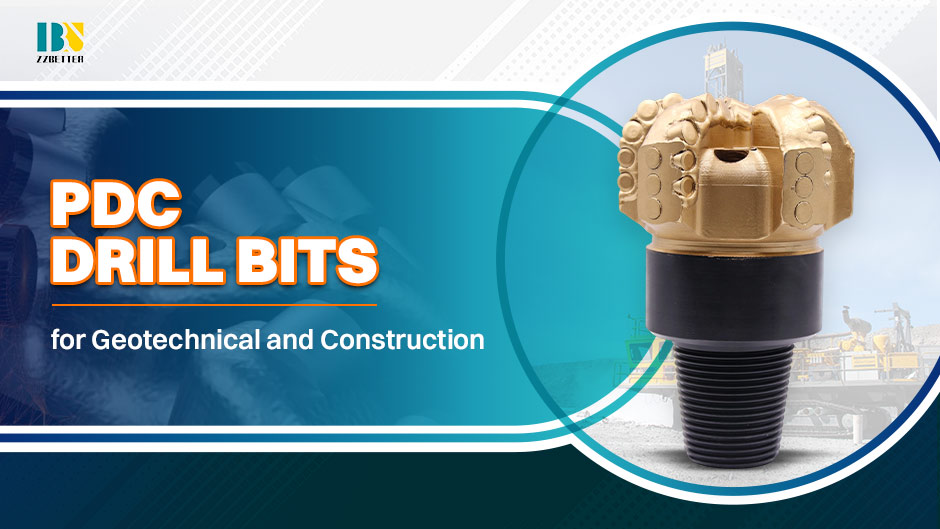
· Cutter Layout: They feature a high blade count with numerous PDC cutters set on carefully engineered rakes (angles) to optimize chip evacuation and prevent balling in sticky clays.
· Fluid Flow: Large, strategically placed nozzles and open flow paths are critical for efficiently removing cuttings and cooling the bit, especially when using drilling fluid (mud) or air/foam.
· Gauge Protection: The outer edge (gauge) of the bit, responsible for maintaining hole diameter, is often armored with additional PDC or hard carbide to resist abrasion from the borehole wall.
· Material Compatibility: The bits are designed to handle the "worst of both worlds"—the abrasive wear from sandy layers and the impact potential from occasional gravel or cobbles.
The Economic Imperative: Total Project Value
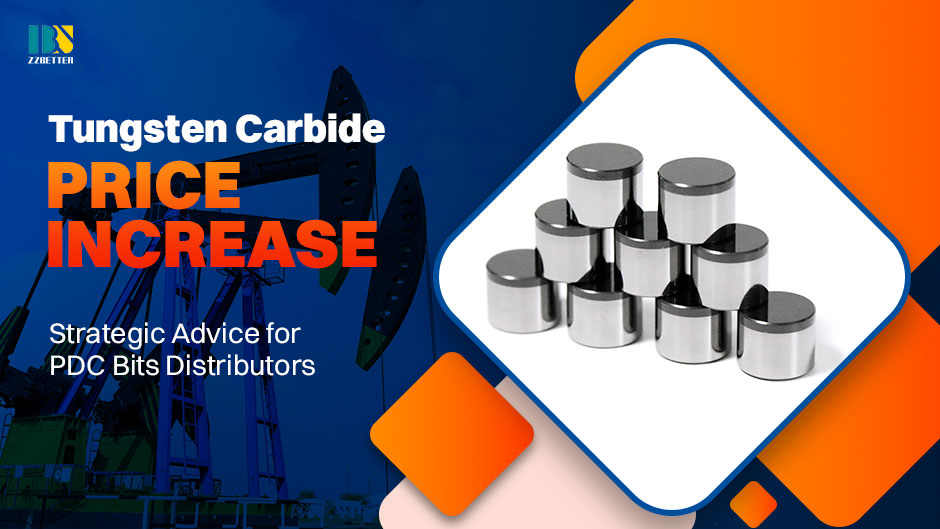
While the initial investment in a PDC drill bit is higher than that of a conventional bit, its value is realized across the entire project. The dramatic reduction in tripping time for bit changes, the faster drilling cycles, and the reduction in fuel and rig wear contribute to a significantly lower cost per meter drilled. More importantly, the reliability and predictability of PDC performance allow for more accurate project scheduling, a factor often more valuable than direct cost savings in large-scale construction.
In conclusion, PDC drill bits have fundamentally transformed geotechnical and construction drilling from a necessary logistical challenge into a precise, efficient engineering operation. By delivering speed, precision, and reliability in the critical first phase of construction—laying the foundation—these advanced tools underpin not just physical structures, but the very economic viability and timely completion of the infrastructure that shapes our modern world.