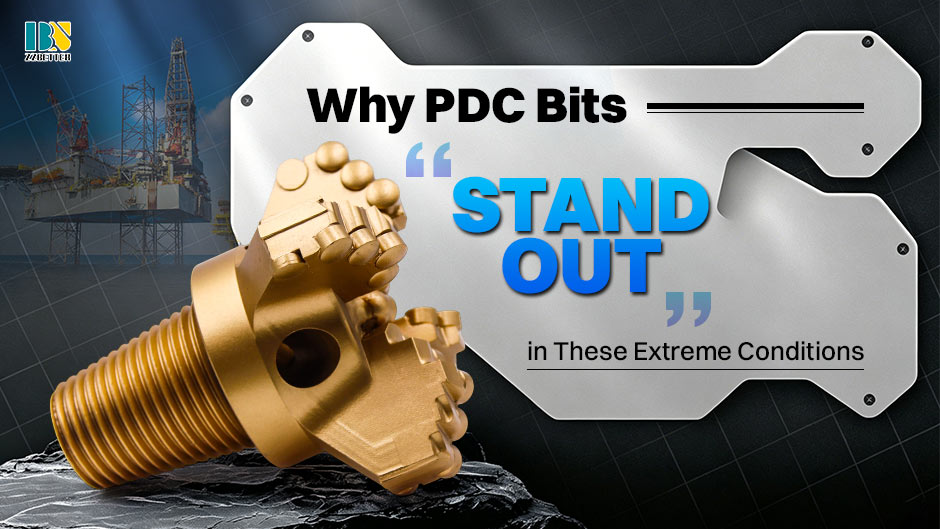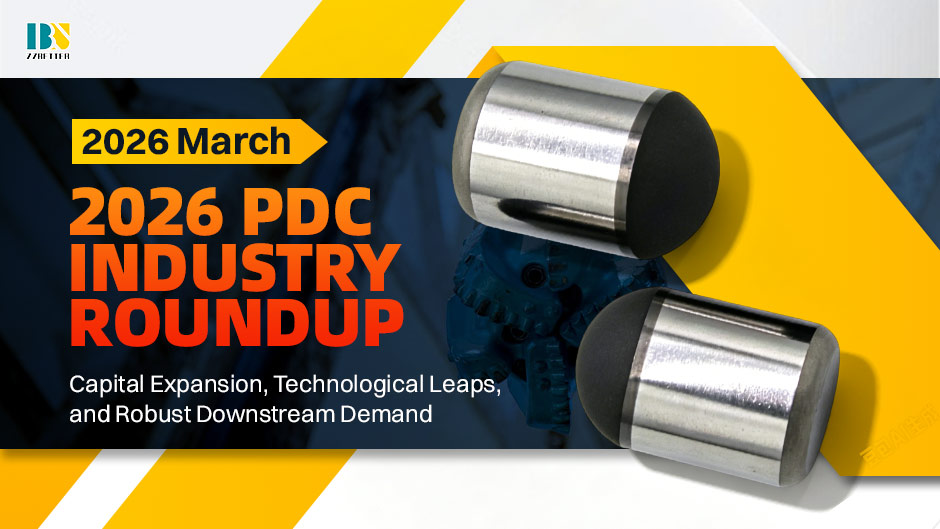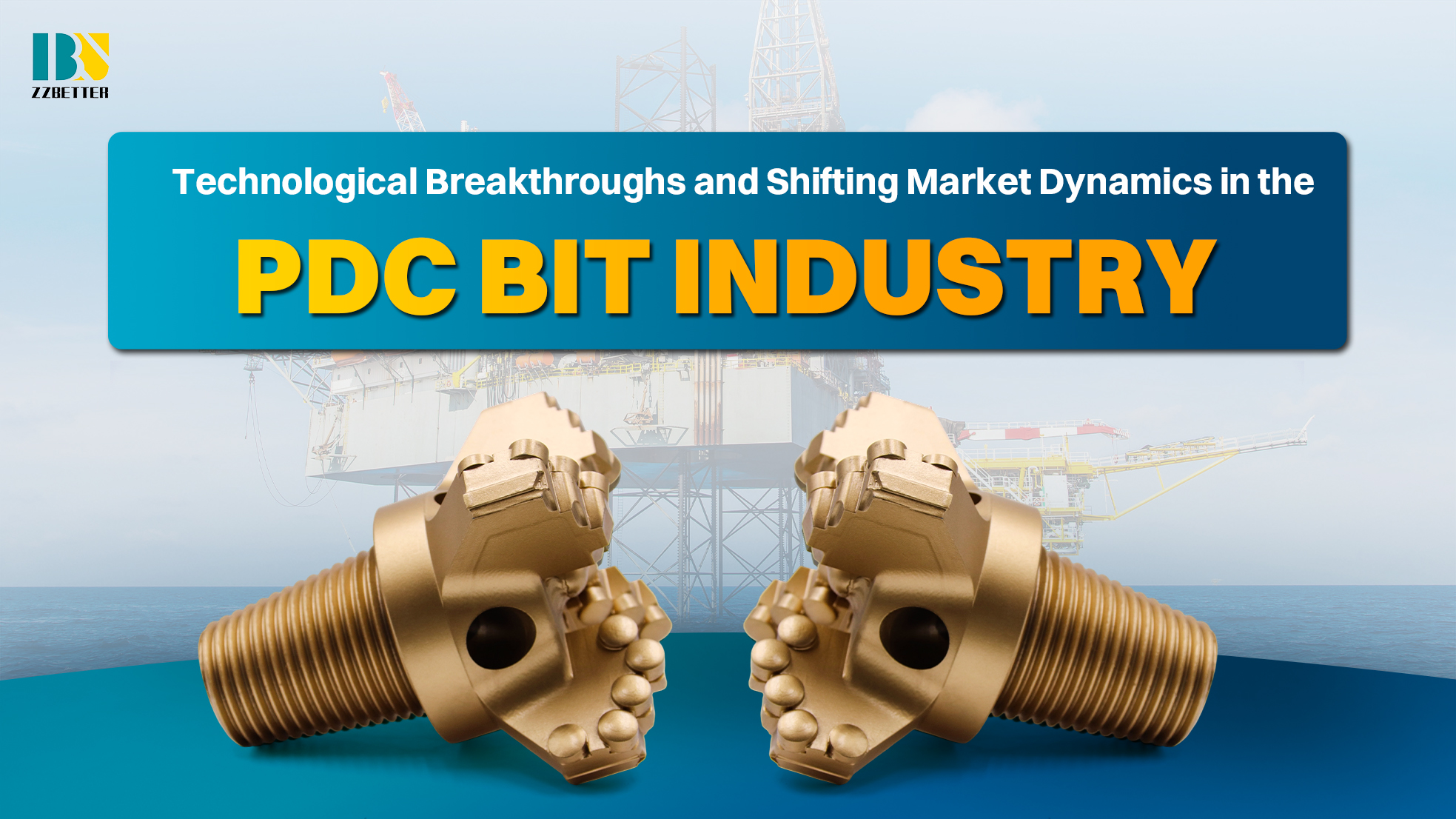
The global PDC bit industry is undergoing a profound transformation, driven by two powerful forces: remarkable technological breakthroughs and a significant shift in the competitive landscape. Field performance is now setting new benchmarks, as demonstrated by a Chinese-manufactured PDC drill bit achieving a staggering single-run drilling length of 1,251 meters in an Algerian oil field. This is not an isolated event but part of a broader trend where manufacturers, particularly in Asia, are transitioning from being low-cost suppliers to becoming genuine technology leaders in drilling. This shift is challenging the long-held dominance of the Western "triopoly" of SLB, Halliburton, and Baker Hughes, forcing a global re-evaluation of procurement strategies.
Concurrently, the very process of PDC bit design and manufacturing is being revolutionized. The adoption of additive manufacturing (3D printing) is slashing lead times from 30 days to rapid customization, allowing for the creation of complex internal geometries that enhance hydraulic efficiency and cutter placement. In R&D labs, the next frontier is being crossed with the development of thermally stable PDC (TSP) cutters capable of withstanding temperatures of 1150° Celsius. This breakthrough is critical for extending bit life and maintaining rate of penetration (ROP) in deep, hard, and abrasive formations that would quickly destroy conventional cutters.
The lesson we can learn for drilling operators and service companies is clear. The criteria for bit selection and supplier qualification must be updated. A performance-driven approach, based on verifiable field data and technological capability, is now more important than historical brand preference. The industry must recognize that innovation is becoming more distributed globally, and leveraging these advancements is key to achieving the lowest possible cost per foot in increasingly challenging drilling environments.
The global PDC bit market is experiencing concurrent forces of consolidation and fragmentation, reshaping the procurement landscape. On one hand, major national players are consolidating to strengthen their position. A prime example is the formation of CNPC's "Zhongyou Drill Bit" company, which integrates the drilling tool assets of China's largest oil company. This move aims to create a unified, powerful competitor with massive annual production capacity, influencing both domestic and global PDC bit supply chain dynamics.
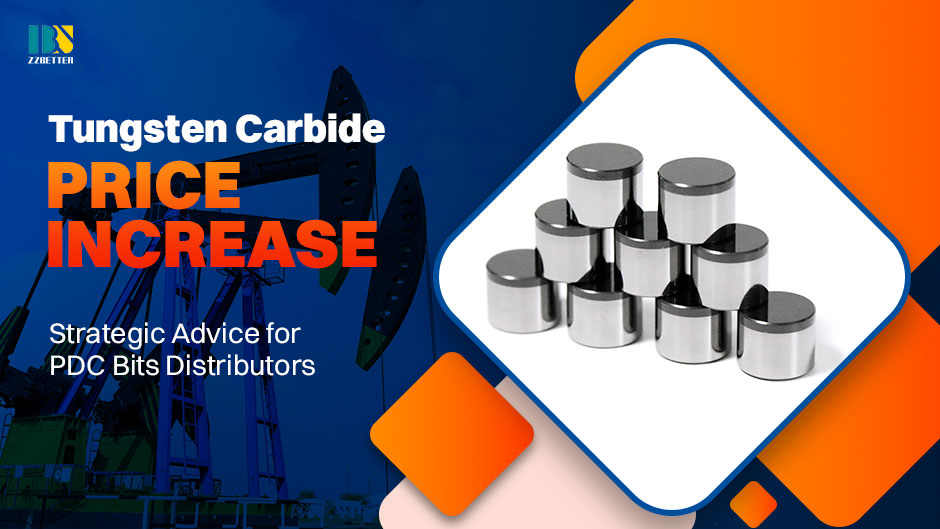
On the other hand, the market is also fragmenting through specialization, as discussed in Article 2. However, this is set against a backdrop of significant supply chain volatility. Rising costs for key raw materials like tungsten carbide powder, coupled with geopolitical tensions and U.S. import tariffs on Chinese goods, have created a disruptive environment. These tariffs on drill bits act as a supply chain disruptor for the PDC industry, forcing a re-evaluation of sourcing strategies.
In response, proactive drilling contractors are building resilience through strategic stockpiling of critical drill bits and diversifying their sourcing strategies for PDC products. What we can learn for procurement managers is that agility and strategic planning are paramount. A single-source procurement strategy is now a high-risk endeavor. Companies must develop a diversified portfolio of qualified suppliers, consider regional manufacturing hubs to mitigate tariffs, and foster deeper partnerships with key manufacturers to ensure a stable, cost-effective supply of these essential tools in an uncertain world.