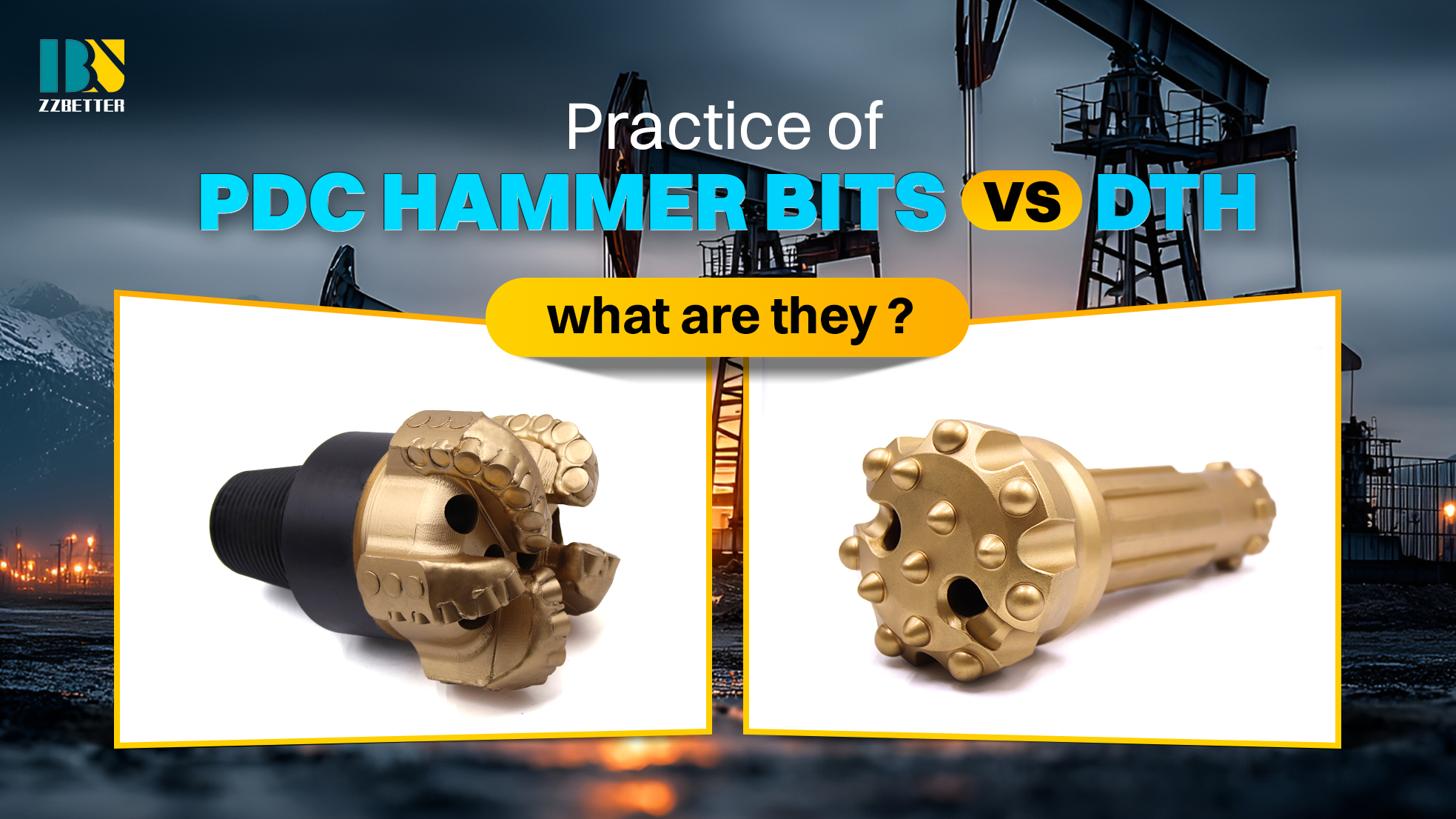
When planning a drilling project, one of the biggest challenges is determining which method delivers the best results—Top Hammer drilling or Down-the-Hole (DTH) drilling. Making the wrong choice can lead to wasted funds, poor borehole quality, or unexpected delays.
This article will guide you through the key differences, advantages, and disadvantages of each method. We'll explain how Top Hammer rigs offer a cost-effective solution for shallow holes and softer rock formations, while DTH hammer rigs excel in deep hole drilling, hard formations, and larger diameter boreholes. You'll also learn about practical factors such as cost per meter, tool maintenance, crew skills, and site conditions.
What is Top Hammer Drilling?
Top Hammer (TH) drilling works by striking the rock from the top of the drill string. The hammer is located at the top of the rig, and energy is transmitted through steel rods to the drill bit. This setup is best suited for shallow to medium-depth drilling projects, typically up to around 30 meters. It is particularly effective for small to medium borehole diameters where speed and flexibility are more critical than precision. Top Hammer drilling is often used in mining, tunneling, and rock bolting applications where mobility and rapid setup are essential.
● Practical Tip: If your project involves shorter, multiple holes—for example, in small quarries, construction sites, or slope stabilization projects—Top Hammer drilling can save time and reduce initial costs. However, keep a close eye on drill rod wear and schedule rod replacements to avoid downtime.
What is DTH (Down-the-Hole) Drilling?
Down-the-Hole (DTH) drilling places the hammer directly behind the drill bit, at the bottom of the hole. Instead of transmitting energy through long rods, the hammer strikes the rock face directly. This design minimizes energy loss and maintains a straighter borehole, even at greater depths. DTH is the preferred method for large-diameter, deep holes, such as those required for deep mining, geothermal projects, and water wells. Because the hammer operates at the bottom of the hole, it also performs excellently in hard, abrasive formations where precision is critical.
● Practical Tip: If your project requires deep, straight holes or large diameters (e.g., for installing geothermal wells or quarry blast holes), then DTH is worth the investment, despite higher operating costs. To manage costs, optimize compressor pressure to match ground conditions and maintain proper hammer lubrication to extend tool life.