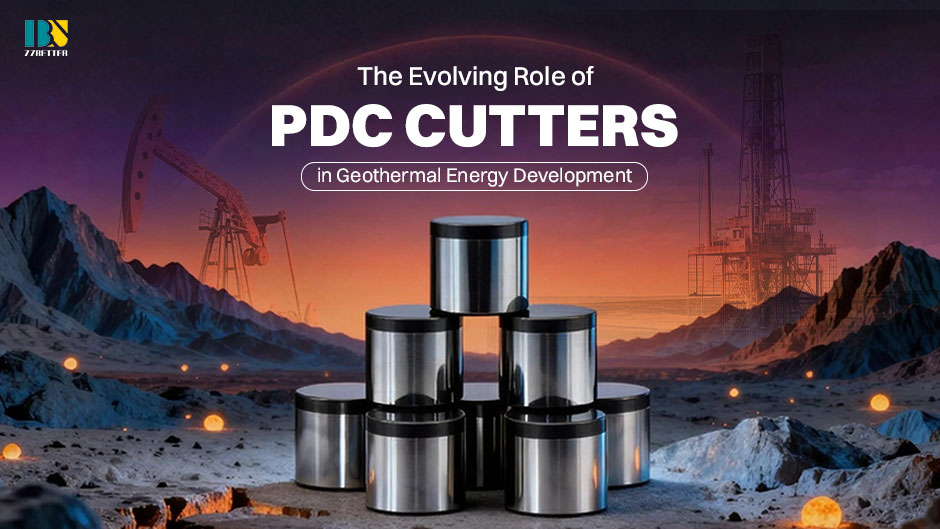
The Geothermal Drilling Challenge
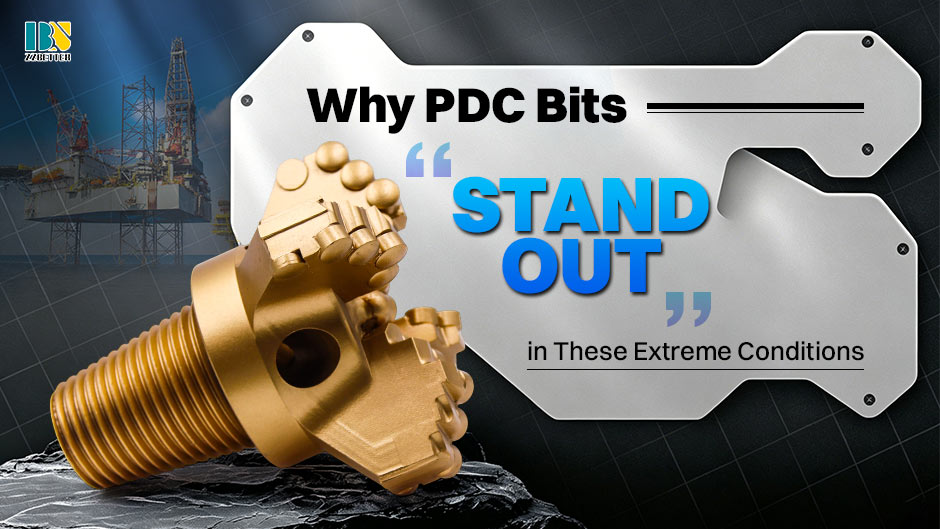
Geothermal wells present some of the most demanding drilling conditions in the energy industry. Operators must penetrate hard, abrasive formations such as granite while withstanding extreme subsurface temperatures that can exceed 300°C. Conventional roller cone bits, long the industry standard, struggle in these environments. They experience accelerated wear, require frequent trips for replacement, and ultimately drive up the cost of geothermal projects .
The Technical Evolution of PDC Cutters
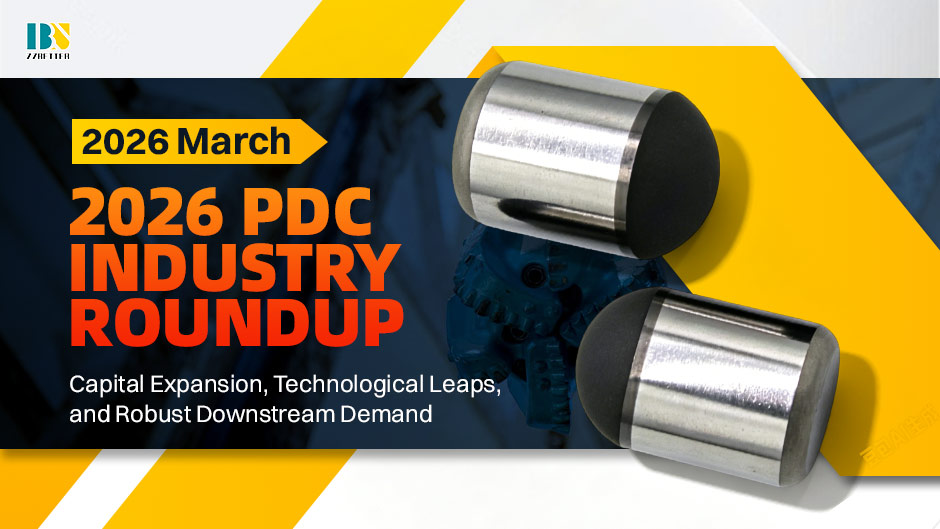
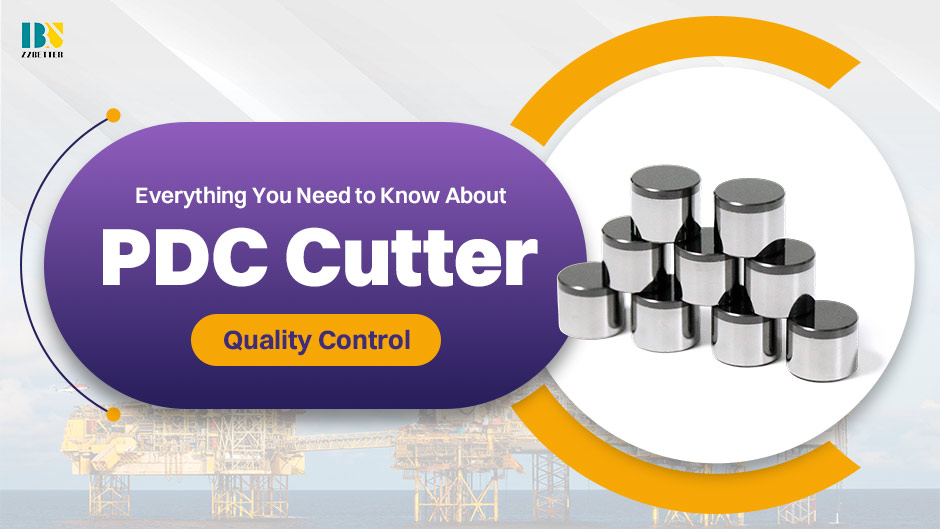
Modern PDC cutters bear little resemblance to their predecessors. Early diamond compact bits were largely limited to softer formations, but continuous innovation has expanded their capabilities significantly. Today's advanced cutters feature optimized diamond table thickness, refined grain structures, and improved interface engineering between the diamond layer and tungsten carbide substrate .
Recent research has focused on understanding the complex interaction between PDC cutters and high-temperature rock formations. Studies examining granite behavior at elevated temperatures reveal that treatment temperature significantly affects cutting force requirements. Researchers have identified critical thermal damage thresholds between 100-200°C for granite, beyond which cutting dynamics change substantially . This understanding enables more precise bit design for specific geothermal reservoirs.
The cutter-rock interface temperature itself presents unique challenges. During granite cutting, PDC cutter temperatures can reach 47.6°C higher than when cutting sandstone, fundamentally altering the thermal dynamics of the drilling process . Managing this heat generation while maintaining cutting efficiency requires sophisticated cutter geometry and material selection.
Advanced Cutter Geometries and Thermal Management
The industry is moving beyond simple planar cutters. Shaped and multi-faceted cutters, enhanced chamfers, and optimized backrake angles reduce chipping, manage heat, and balance aggressiveness with durability . Research on cutter-granite interaction mechanisms reveals that rake angle significantly affects rock-breaking efficiency. Studies indicate that a 10° rake angle produces optimal results, minimizing specific crushing work while maximizing debris particle size .
Thermal stability remains the central challenge. High temperatures at the cutter-rock interface can degrade diamond and accelerate wear. Manufacturers are addressing this through advanced coatings, optimized diamond table thickness, and improved cooling hydraulics. SLB's introduction of the ThermoBlade geothermal bit, capable of operating near 800°C, demonstrates the progress being made in thermal management .
Economic Implications for Geothermal Development
The economic case for advanced PDC cutters in geothermal drilling is compelling. Drilling typically accounts for 40% to 60% of total geothermal project costs. Every improvement in rate of penetration and bit life directly reduces well costs and enhances project economics. Physics-based limiter redesign workflows, combined with aggressive bits using shaped cutters, have demonstrated reduced vibration levels and improved mechanical specific energy trends in deep geothermal applications .
The broader market context supports continued adoption. The global PDC drill bits market is projected to reach USD 1.92 billion by 2034, with geothermal representing a meaningful adjacent growth segment . The geothermal drill bits market specifically is expected to exceed USD 7.95 billion by 2035, growing at a CAGR of 6.1% . North America currently dominates with over 51% market share, driven by extensive geothermal resources in western states and supportive Department of Energy funding for enhanced geothermal systems .
The evolution of PDC cutters represents one of the most significant technological advances in geothermal drilling. From laboratory studies of rock mechanics to field validation in deep geothermal wells, the evidence is clear: modern PDC bits deliver faster penetration, longer life, and lower costs than conventional alternatives. As the world pushes toward renewable energy targets, these performance improvements will be essential for unlocking geothermal resources economically.
Partner with Us for Your Geothermal Drilling Success
Selecting the right PDC cutter technology is critical to geothermal project economics. At ZZBETTER , we specialize in engineered PDC solutions for high-temperature, abrasive formations. Our cutters incorporate the latest advances in diamond technology, thermal management, and geometric optimization to deliver measurable performance gains.
Contact our engineering team today for a consultation on your specific drilling requirements. We provide:
Custom cutter design for your formation characteristics
Performance modeling and bit selection guidance
Competitive pricing and reliable supply chains
Technical support throughout your drilling program
Email us at irene@zzbetter.com or call +8618173320261 to discuss how our PDC cutters can reduce your geothermal drilling costs.