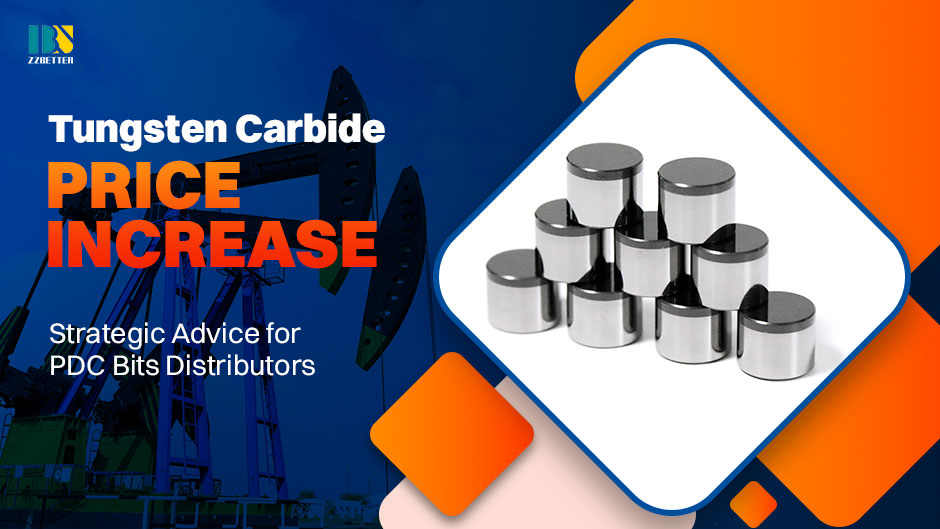
If you work anywhere near the cutting tool business, you have probably spent the last year watching tungsten prices climb and wondering where the ceiling is. It has been brutal. By early 2026, the cost of black tungsten concentrate had more than quadrupled from early 2025 levels, and nobody in the industry is expecting a sharp downturn anytime soon.
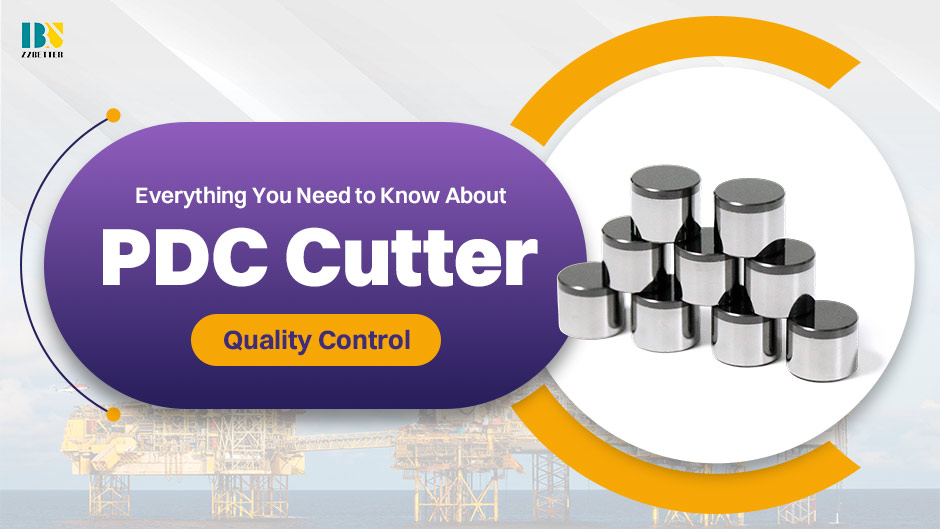
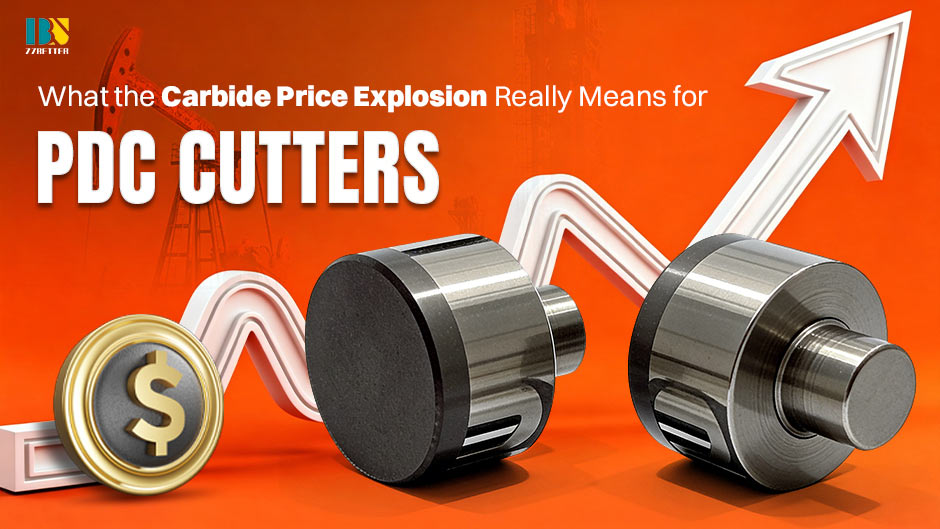
For people who make or buy PDC cutters, this is not just background noise. It cuts straight to the bottom line. A PDC cutter is really two things sandwiched together: a thin layer of synthetic diamond bonded to a thick chunk of cemented carbide. That carbide substrate is the workhorse. It gives the cutter the toughness to handle shock and vibration, and it is what lets you braze the thing into a drill bit. But it is also almost entirely made of tungsten. When tungsten powder triples in price, the math on manufacturing a PDC cutter gets ugly fast.
Manufacturers have responded the only way they can. Letters went out to customers explaining the situation—raw material costs spiraling, no end in sight, prices going up. Nobody likes raising prices, but margins on carbide products are notoriously thin, and there is just no room left to absorb this kind of shock. The days when you could count on stable pricing for PDC cutters are gone, at least for now.
But here is where things get interesting. The same crisis that is driving up costs for PDC manufacturers is also creating new opportunities for them. Because while PDC cutters are getting more expensive, the alternative—plain old cemented carbide—is getting hammered even worse.
Think about what goes into a standard carbide tool. It is about 92 percent tungsten by weight. Every time you replace a worn-out carbide insert, you are essentially throwing away a chunk of expensive metal. A PDC cutter, by contrast, lasts thirty, forty, sometimes fifty times longer. That longevity gap used to be a tough sell when carbide was cheap. Customers would look at the upfront cost of a PCD tool and balk. But now, with carbide prices going through the roof, the math flips. The total cost of ownership starts to favor PDC in applications where it never made sense before.
You see this playing out in aerospace and automotive machining, especially with tough materials like titanium alloys and high-hardness steel. Machinists who used to reach for carbide are now testing PCD, and a lot of them are finding that the numbers work. The same logic applies to composites and aluminum in EV manufacturing. When raw material prices go haywire, durability becomes the best cost-saving measure you have.
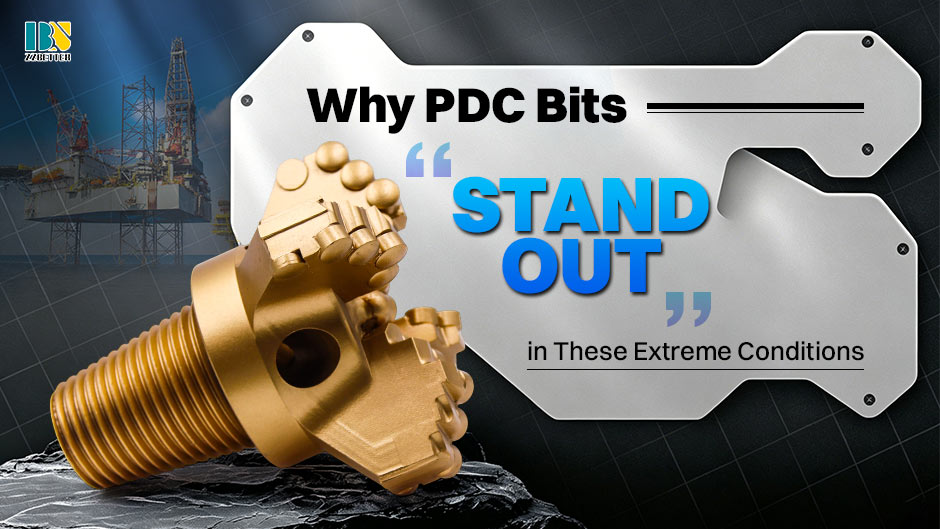
Oil and gas drilling is picking up again, partly because higher energy prices make extraction more profitable and partly because the Middle East remains volatile and producing countries want to capitalize on the moment. PDC drill bits are the standard for efficient drilling in that sector. When drillers need to move fast and get maximum footage per bit, they reach for PDC. So demand from that corner is steady, if not rising.
What it adds up to is a strange moment for the PDC business. On one hand, your input costs are climbing and you have to pass those along or bleed out. On the other hand, your product suddenly looks like a smarter investment compared to the stuff it competes against. Customers who used to dismiss PDC as too expensive are now doing the math again and coming to different conclusions.
Nobody is celebrating the tungsten crisis. It makes life harder across the board. But for manufacturers who can ride out the immediate cost pressures and keep supplying reliable product, there is real opportunity here. The cheap-carbide era is over. In its place, we are seeing a shift toward tools that last longer and justify their upfront cost through sheer staying power. That is a world where PDC cutters have a lot to offer.